

With your hair up, the mirror shows a dark band at the back of your neck. Maybe you have already scrubbed hard, and it is still there. That can be frustrating and unsettling.
Let me sort it out. A dark neck can have two very different causes. Either friction or irritation has darkened the skin, or a skin change called acanthosis nigricans is behind it, which can be linked to blood sugar because the body responds less well to insulin.
I'll show you how to tell the two apart with a simple self-check, when to have it looked at and what you can do yourself.
Why is my neck darker than the rest of my skin?
A dark neck stands out because the edge to the rest of your skin is often easy to see. Usually it is a band at the back of the neck, sometimes along the sides too. The causes differ, and they feel different on the skin.
On skin rich in melanin, any change shows up stronger. Colour left after inflammation is more common, deeper and longer lasting in darker skin types. Inflammation tells the pigment cells to make more melanin, the skin's colour pigment, so an irritated spot can turn into a dark spot itself.
Here is the self-check:
- Run your fingertips over the area. If the skin is smooth and only darker, friction or irritation is the more likely cause.
- If it feels thicker and velvety, have a doctor look at it.
- Check whether your armpits or groin are also darker and velvety, which is another clue pointing to acanthosis nigricans.
- Take a photo with your phone in the same light and compare it after a few weeks. That shows whether the area gets darker, larger or thicker, and you can show it at the appointment.
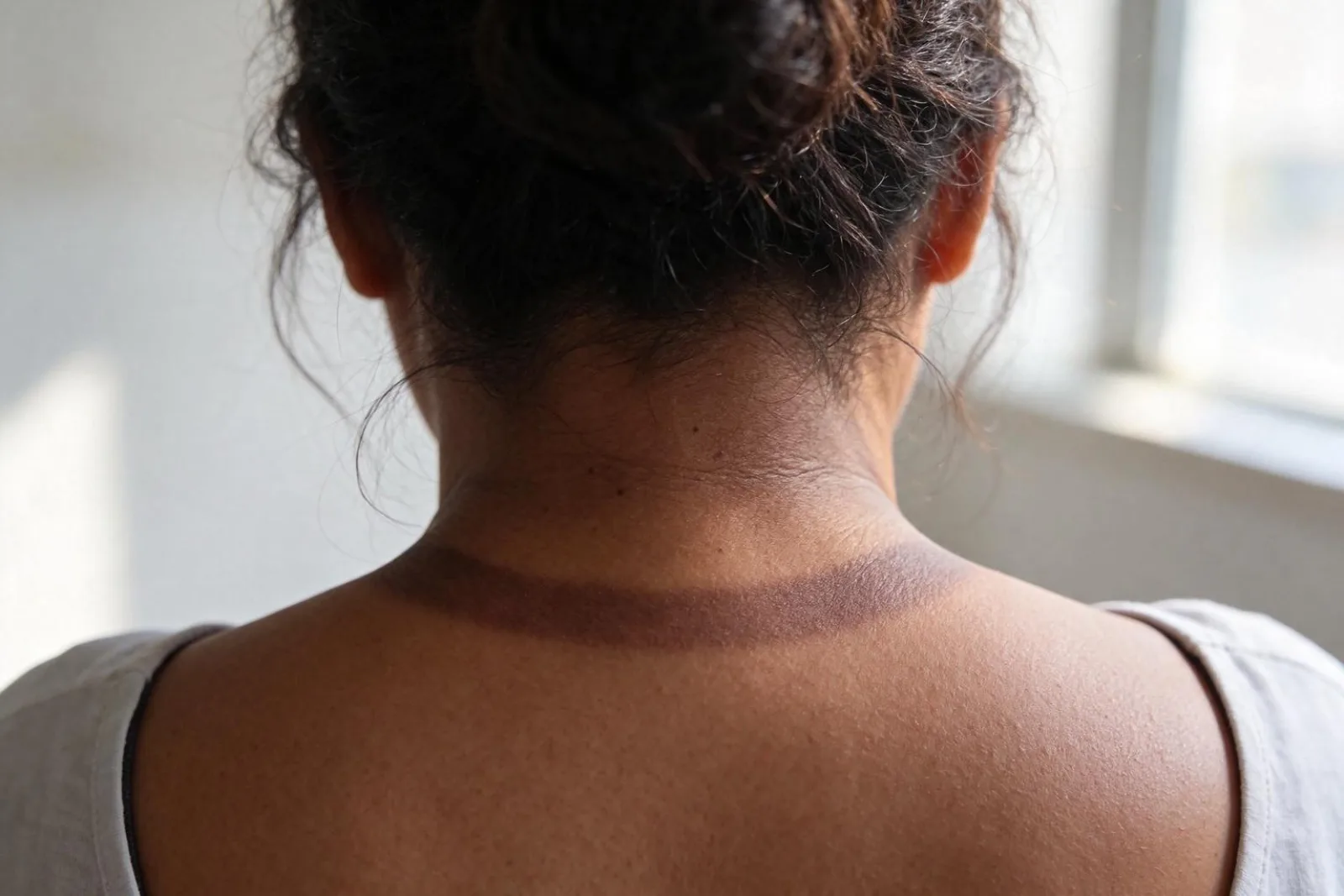
It usually sits at the back of the neck, often with a clear edge.
Illustration
What is acanthosis nigricans, and when should you see a doctor about a dark neck?
Acanthosis nigricans (say: a-can-THOH-sis NIG-rih-cans) is a change in which skin darkens and thickens. The skin feels like velvet, and the patches are usually symmetric, brown and thickened. Typical sites include the armpits, the groin, and the back and sides of the neck.
The link to your metabolism matters. The condition is mostly linked to insulin resistance, where the body's cells respond poorly to the hormone insulin. That is why acanthosis nigricans can be a sign of prediabetes, a stage that raises your risk of diabetes. A medicine can also cause it.
That may sound worrying at first, but above all it is a good chance to check early. If you notice darker, thicker skin, book a dermatologist appointment. A look at the skin is usually enough. If it appears suddenly and you have no typical risk factors, the dermatologist will look for other causes.
The skin change itself is not contagious and not harmful. Treatment mainly targets the underlying cause. In darker skin types the skin may look darker and rather leathery.
[S1][S2]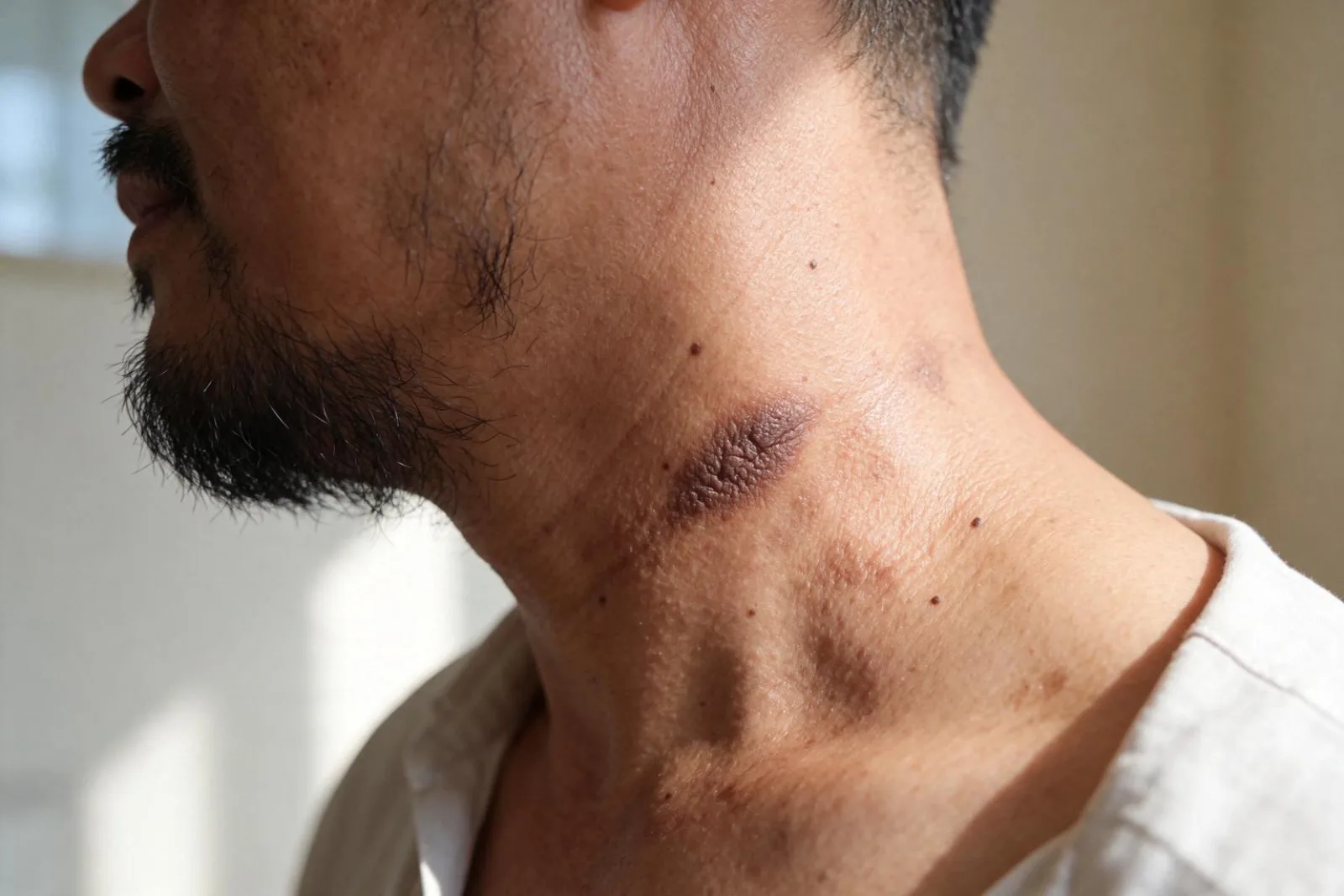
If the area feels velvety and thickened, have it checked by a doctor.
Illustration
Do collars, jewellery or shaving make the neck darker?
Plenty of things rub on the neck: shirt collars, turtlenecks, necklaces, hair ties, backpack straps. On elbows and knees, thickened, darker skin has been described where friction may play a role. There, creams with lactic acid or urea together with less friction help modestly in some cases.
We know of no study on the neck itself. If the dark patch sits right where a collar or chain rubs, a trial is still worth it. Wear softer collars or leave the chain off for a few weeks and watch whether anything changes.
If you shave your nape, for example along the hairline, irritation comes on top, and irritated skin can turn into a dark spot on darker skin. What helps after shaving is in Dark spots from shaving. Friction also plays a role under the arms, see Dark underarms.
[S5][S3]
- 01Collar edge rests on the skin
A collar rubs where it rests.
Illustration
Does scrubbing help a dark neck?
No. Vigorous scrubbing will not get rid of acanthosis nigricans. On dark skin, irritation can also trigger new pigment. A brush, an exfoliating glove or a pumice stone brings more risk than benefit on the neck.
Creams with lactic acid or urea loosen the top layer of skin without rubbing.
Pat the skin dry after washing instead of rubbing, then apply a gentle, fragrance-free moisturiser.
[S1][S3][S5][S6]
Hard scrubbing irritates the skin and does not help.
Illustration
Does a dark neck need sunscreen?
Yes. For dark spots, sunscreen with SPF 30 or higher and broad-spectrum protection suits best, ideally tinted with iron oxides. Iron oxides protect against visible light, which can also darken spots.
With your hair up, the back of your neck is exposed, so remember it when you apply.
We are working on our own sunscreen. If you buy one now, choose a tinted one.
[S4]What can I do myself about a dark neck?
If the area is velvety and thickened, have a doctor look at it first. If the area is smooth, or a doctor has ruled out acanthosis nigricans, support your skin like this:
- Check collars, chains and straps that sit right on the dark area.
- Wash gently and pat the skin dry instead of rubbing.
- Apply a fragrance-free cream that supports the skin barrier.
- Use a vitamin C product made for body skin that helps dark spots look lighter.
- Don't forget sun protection, ideally tinted.
Give it time. A spot a few shades darker than your skin usually takes 6 to 12 months once the cause is stopped. That does not apply to acanthosis nigricans, where treating the cause comes first. If you are unsure, a visit to a dermatologist is a good idea.
[S4][S2][S6]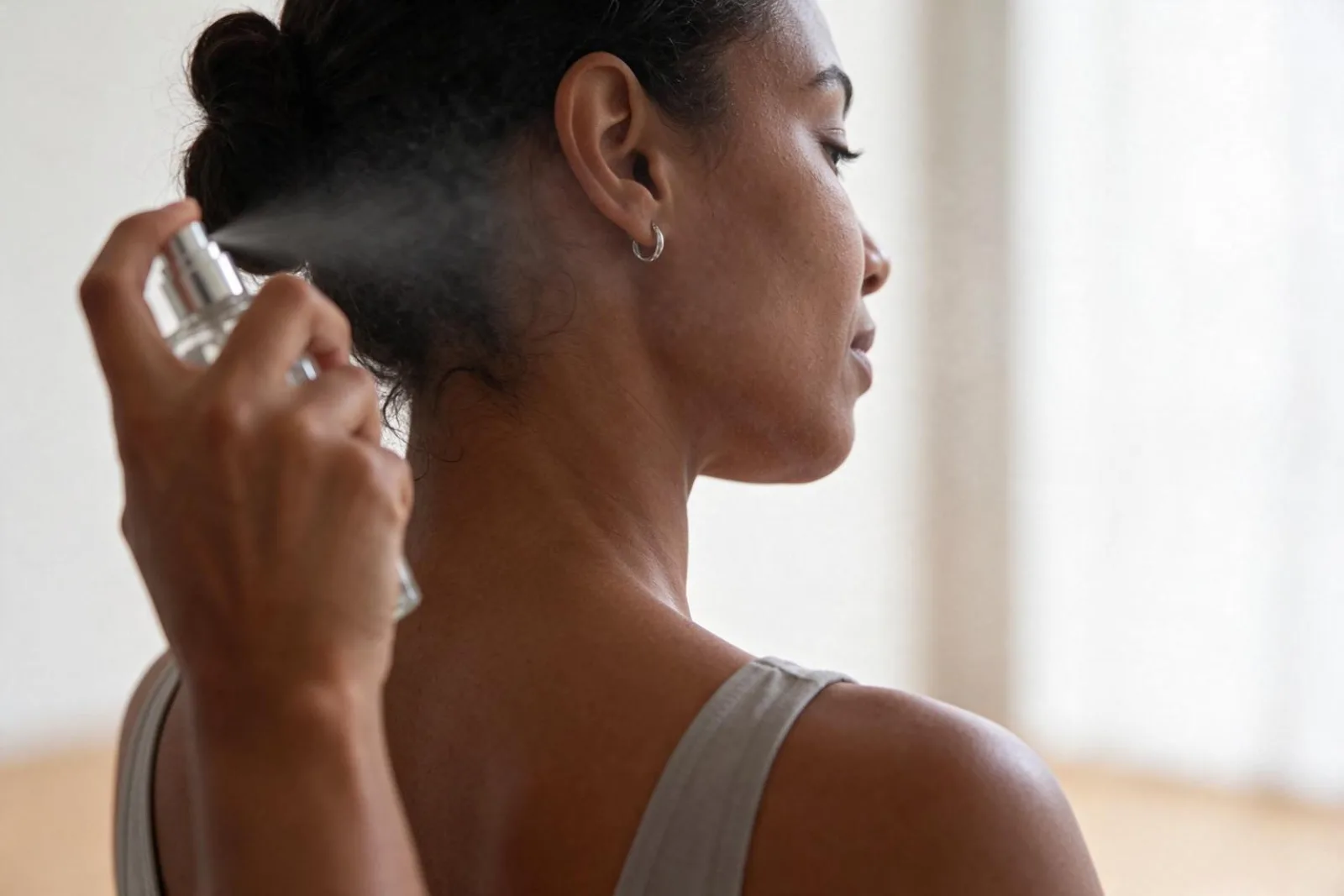
- 01Spray on the nape skin
A spray is easy to apply to your own neck.
Illustration
How do you go on from here?
First find out how the area feels. Then decide whether to carry on by yourself.
Touch first, then care
- Feel with your fingertips whether the skin is velvety and thickened. If it is, book an appointment with a dermatologist.
- Stop friction from collars, chains and straps, and stop scrubbing.
- Pat the skin dry and apply a fragrance-free cream.
- Use a tinted sunscreen in the daytime.
Matching products
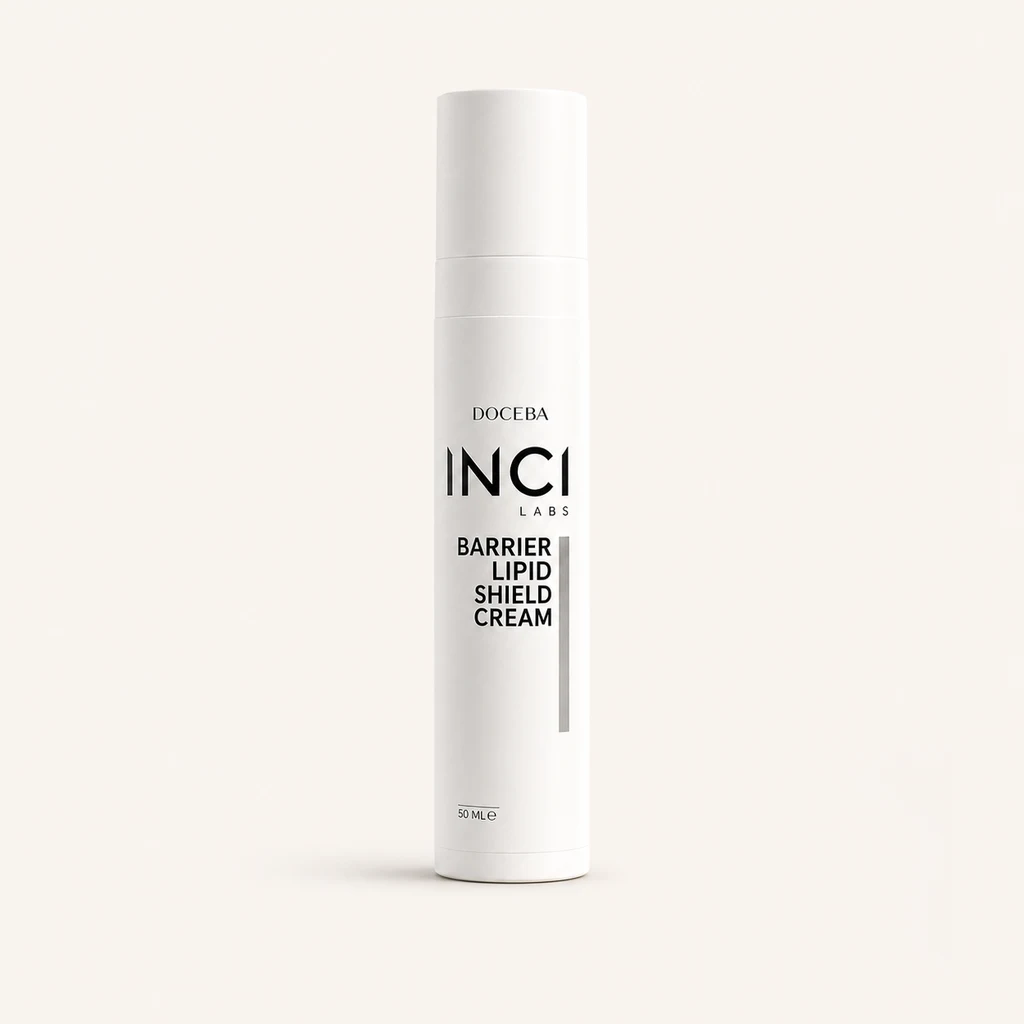
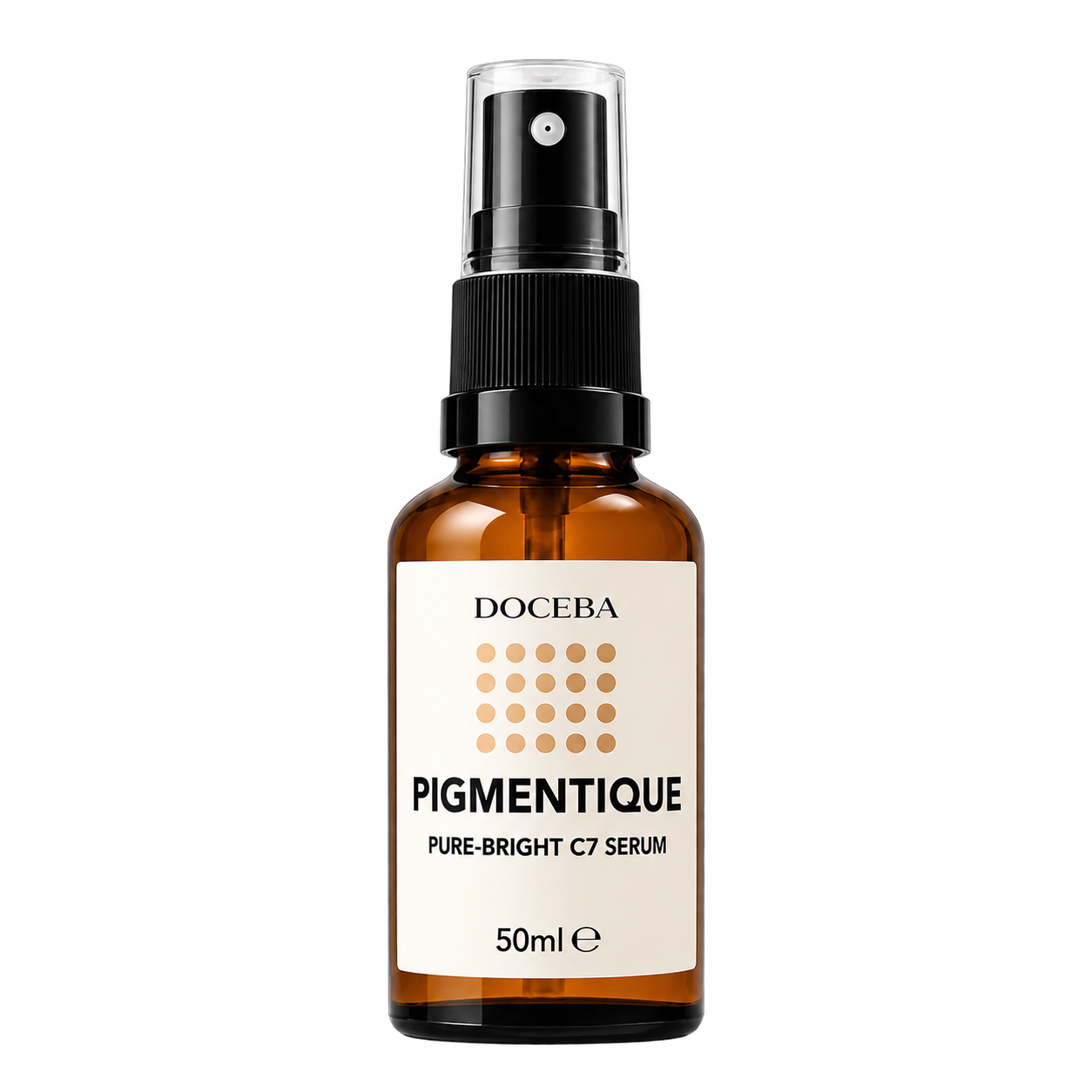
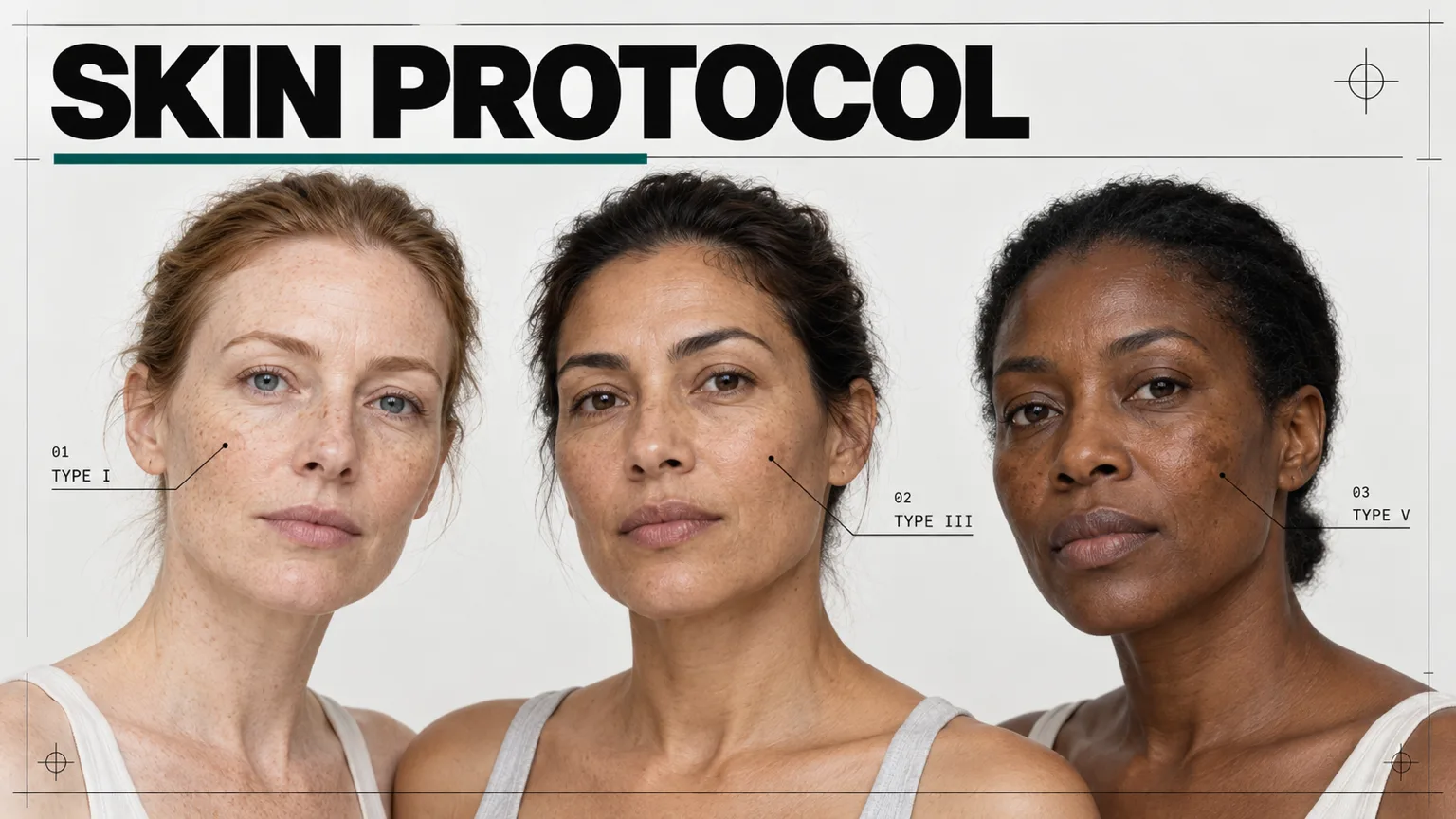
Skin Protocol: a plan for your skin and a team that adjusts it
You get a plan built around your skin and what you've already tried. We check in regularly and adjust products from Anita's lab when your skin needs something different. In English or German.
It starts with a free 20-minute call. We ring you and listen to your skin story, including your routine for dark spots.
Book your free skin callCosmetic advice, not a diagnosis. If you think you have a skin condition, see a doctor first.
Dark neck FAQ
Is a dark neck always a sign of diabetes?
No. Friction and irritation can also darken the skin. If the area feels velvety and thickened, though, it may be acanthosis nigricans, which is mostly linked to insulin resistance and can be a sign of prediabetes. A doctor can check it calmly. [S1][S2][S3]
What does acanthosis nigricans look like on the neck?
The skin is darker and thicker and feels like velvet. The patches are usually symmetric, brown and thickened, among other places on the back and sides of the neck. [S1][S2]
Can I scrub off a dark neck?
No. Vigorous scrubbing will not get rid of acanthosis nigricans. On dark skin, irritation can also trigger new pigment. [S1][S3]
Do I need a dermatologist if my neck is only darker?
If the skin is darker and thicker, yes. If it is only darker and smooth and you are unsure, have it looked at anyway. A look at the skin is usually enough. [S1][S2]
Which sunscreen do I need for my neck?
For dark spots, SPF 30 or higher with broad-spectrum protection suits best, in a tinted product with iron oxides. We are working on our own sunscreen. If you buy one now, choose a tinted one. [S4]
Sources
- [S1] AAD: Acanthosis nigricans ↗
- [S2] DermNet: Acanthosis nigricans ↗
- [S3] DermNet: Postinflammatory hyperpigmentation ↗
- [S4] AAD: How to fade dark spots in darker skin tones ↗
- [S5] Krishnamurthy S, Sigdel S, Brodell RT: Frictional asymptomatic darkening of the extensor surfaces. Cutis 2005;75(6):349-355 ↗
- [S6] AAD: Dry skin remedies for darker skin tones ↗
General skincare information, not a diagnosis or an individual treatment plan.
Your bag
Review your items before continuing.
Your bag is empty.