
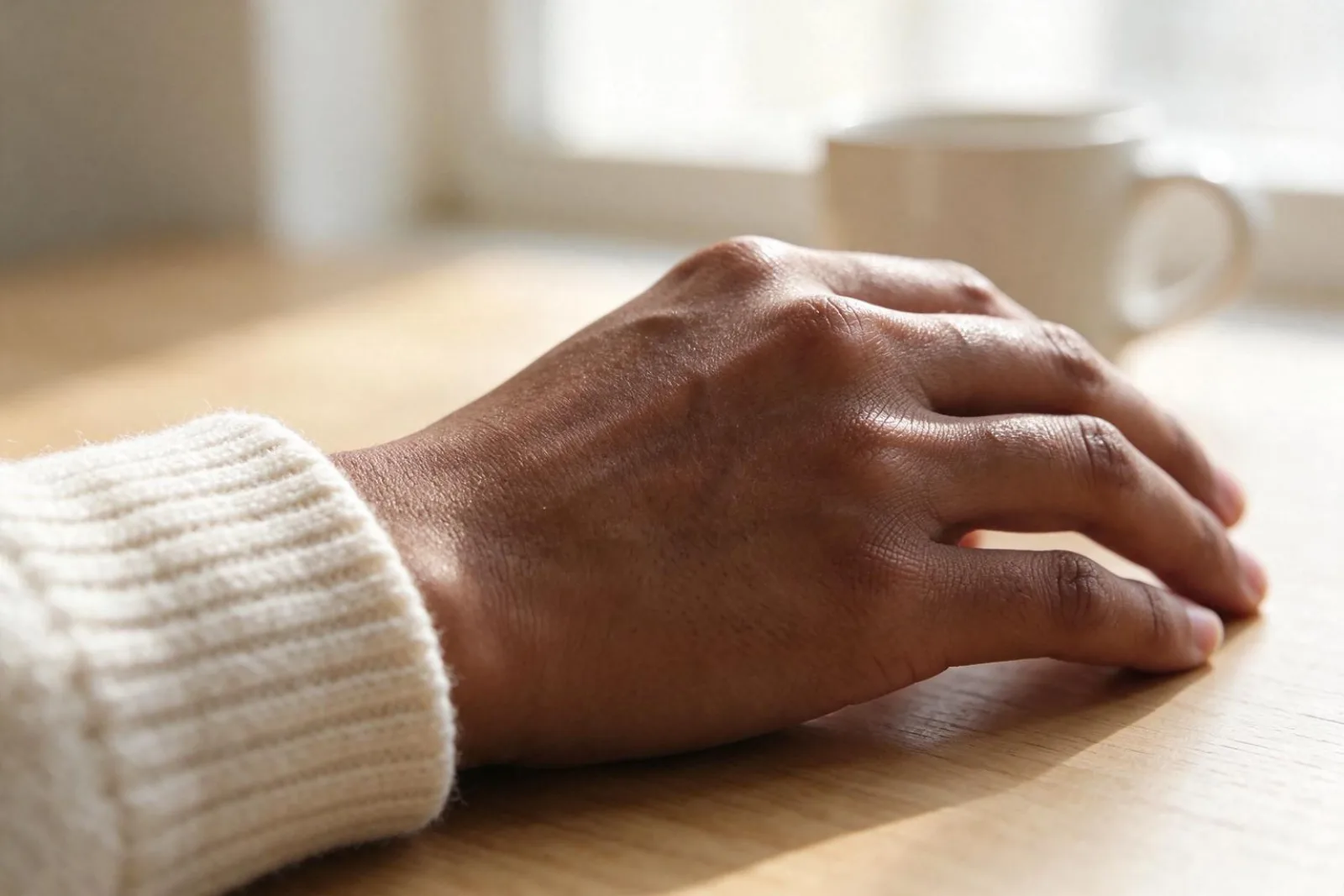
Shaking hands, typing or holding the steering wheel, you notice your dark knuckles and wonder whether you're doing something wrong. Online you then read everything from dry skin to diabetes.
Let me sort it out. Darker knuckles can be a completely normal colour variation of dark skin. They can also be colour left after irritation or, less often, a sign of something a doctor should look at.
I'll show you which causes are possible, when to have your knuckles checked and what your hands need day to day.
Why are my knuckles darker than the rest of my hand?
You see it while washing your hands, driving or typing: your knuckles are darker than the back of your hand. There are three main directions. Which one fits you is not decided by looks alone, because how thick the skin is, when it began and your other symptoms all count.
- Irritation and inflammation. Inflammation tells pigment cells to make more melanin, so an irritated spot can turn into a dark spot on deeper skin. This is called post-inflammatory hyperpigmentation, or PIH.
- Acanthosis nigricans. The skin gets darker and thicker and feels velvety. There is more on it further down.
- Vitamin B12 deficiency. In case reports it showed up first as darker knuckles.
On other joints such as elbows and knees, friction and pressure thicken and darken the skin. We did not find proof that the same applies to knuckles. The larger joints are covered in Dark knees and elbows.
[S2][S3][S6][S7]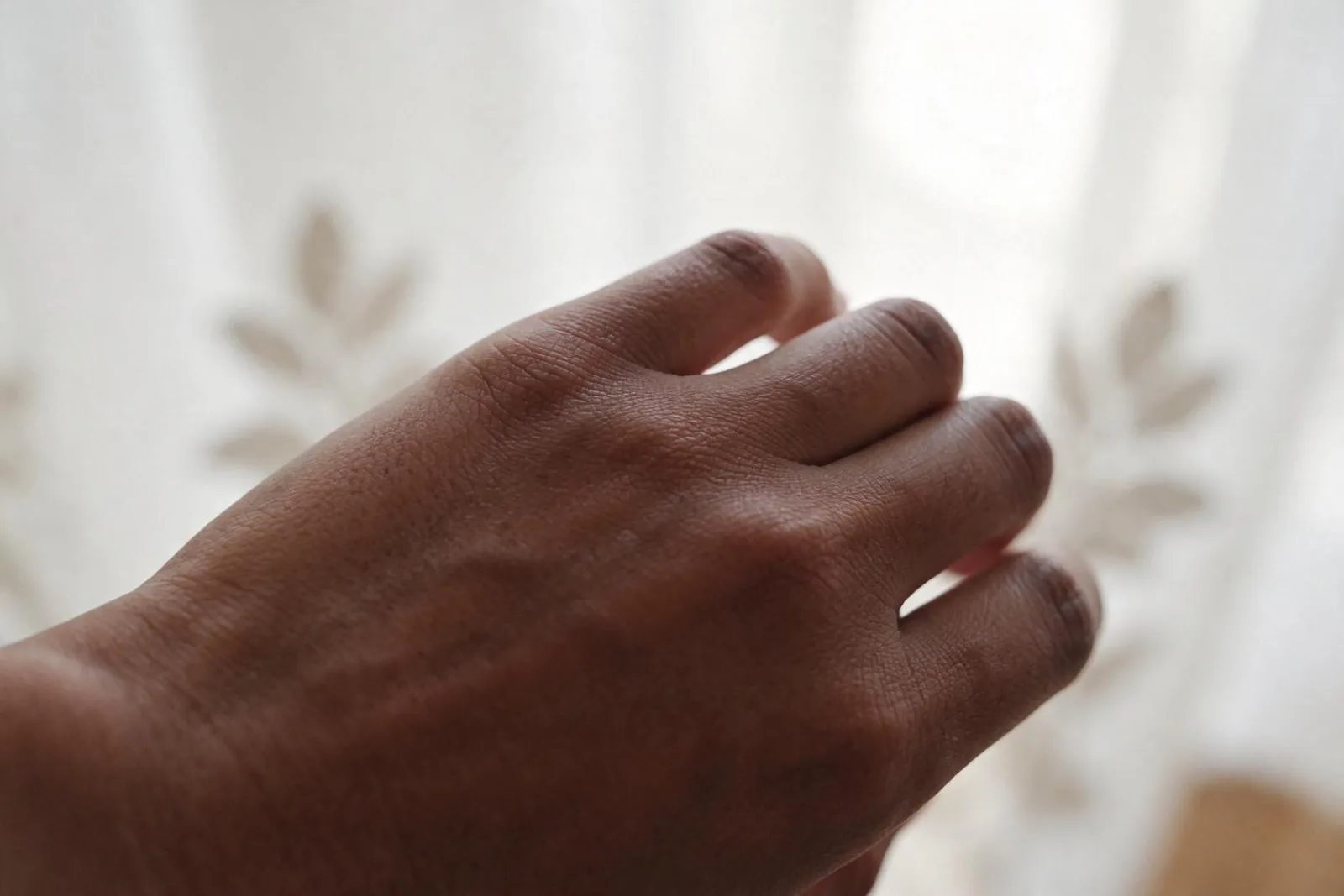
The skin over the knuckles is often darker and more creased.
Illustration
Is it normal for knuckles to be darker on dark skin?
Dark skin has many normal differences in colour, and they are often mistaken for something wrong. Whether your darker knuckles belong to these variations is best judged by a dermatologist. I can't judge that from a distance.
Two things help you at the appointment:
- Photograph the backs of both hands in the same light so you can compare in a few weeks.
- Write down since when your knuckles have looked this way.
Acanthosis nigricans also looks different on dark skin than on lighter skin, and on darker skin it can appear without insulin resistance. So your skin tone alone cannot tell you whether a change is harmless.
How dark skin differs from lighter skin in general is covered in Does dark skin need different skincare?.
[S5]
How much the knuckles stand out differs from hand to hand.
Illustration
When should I get dark knuckles checked by a doctor?
Get them checked when your knuckles have recently turned darker, or the skin is getting thicker or feels velvety. If you are unsure, a visit to a dermatologist is a good idea. Here is why:
Acanthosis nigricans, or AN, makes patches of skin darker and thicker, and the skin feels like velvet. AN can be a sign of prediabetes, and sometimes a medicine triggers it. There is also a form limited to the elbows, knees and the backs of the hands and feet that typically occurs in darker skin tones. On dark skin, AN may look darker and more leathery.
A case report describes vitamin B12 deficiency showing up as knuckle pigmentation, which can appear before changes in blood count and nerves. There the pigmentation began to regress after the B12 level had risen over two months. That is a single case. Only a blood test shows whether your level is low.
If the change starts abruptly for no obvious reason, don't wait. Rarely, a sudden onset can point to another illness, including cancer, and that is something a doctor should rule out.
Bring your photos to the appointment, along with a list of the medicines you take, because a medicine can sometimes change the skin. Ask as well whether a blood test makes sense.
[S1][S2][S3]What helps my hands and knuckles day to day?
For dry skin on darker skin tones, the key point for your hands is a fragrance-free hand cream after every wash. Here is how:
- Use warm rather than hot water.
- Pat your hands dry gently with a towel instead of rubbing.
- Apply a fragrance-free cream right after, knuckles included. Creams and ointments work better than lotions.
- Test new products on a small spot first and add only one at a time.
If your skin is very dry, you can re-apply cream through the day. With consistent care, dry skin should improve after about two weeks, though that timeframe does not apply to the colour of your knuckles. If nothing changes, have a dermatologist look at it.
Winter is hard on hands. How to care for them then is in Ashy skin in winter.
[S4][S6]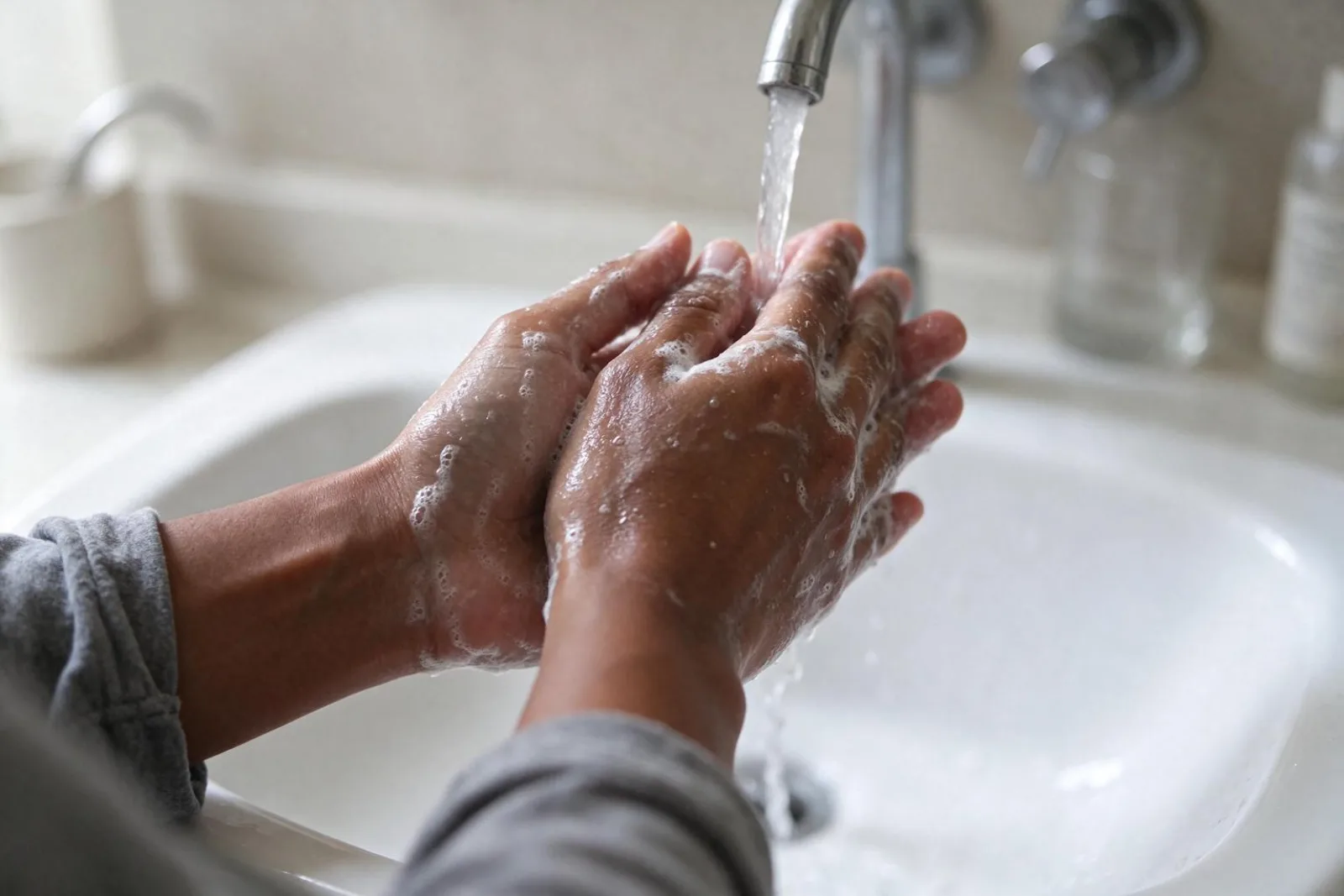
Pat dry gently after washing and moisturise straight away.
Illustration
Can I lighten dark knuckles?
That depends on the cause. If acanthosis nigricans or a B12 deficiency is behind it, the doctor comes first, not a serum. If a dark spot stays after irritation, that is PIH, colour left behind after inflammation. It affects darker skin types most often, and the colour is stronger and lasts longer there.
Spots that are a few shades darker than your skin usually fade within 6 to 12 months once the cause is stopped. If the pigment sits deep, it can take years. We have no figure for knuckles specifically.
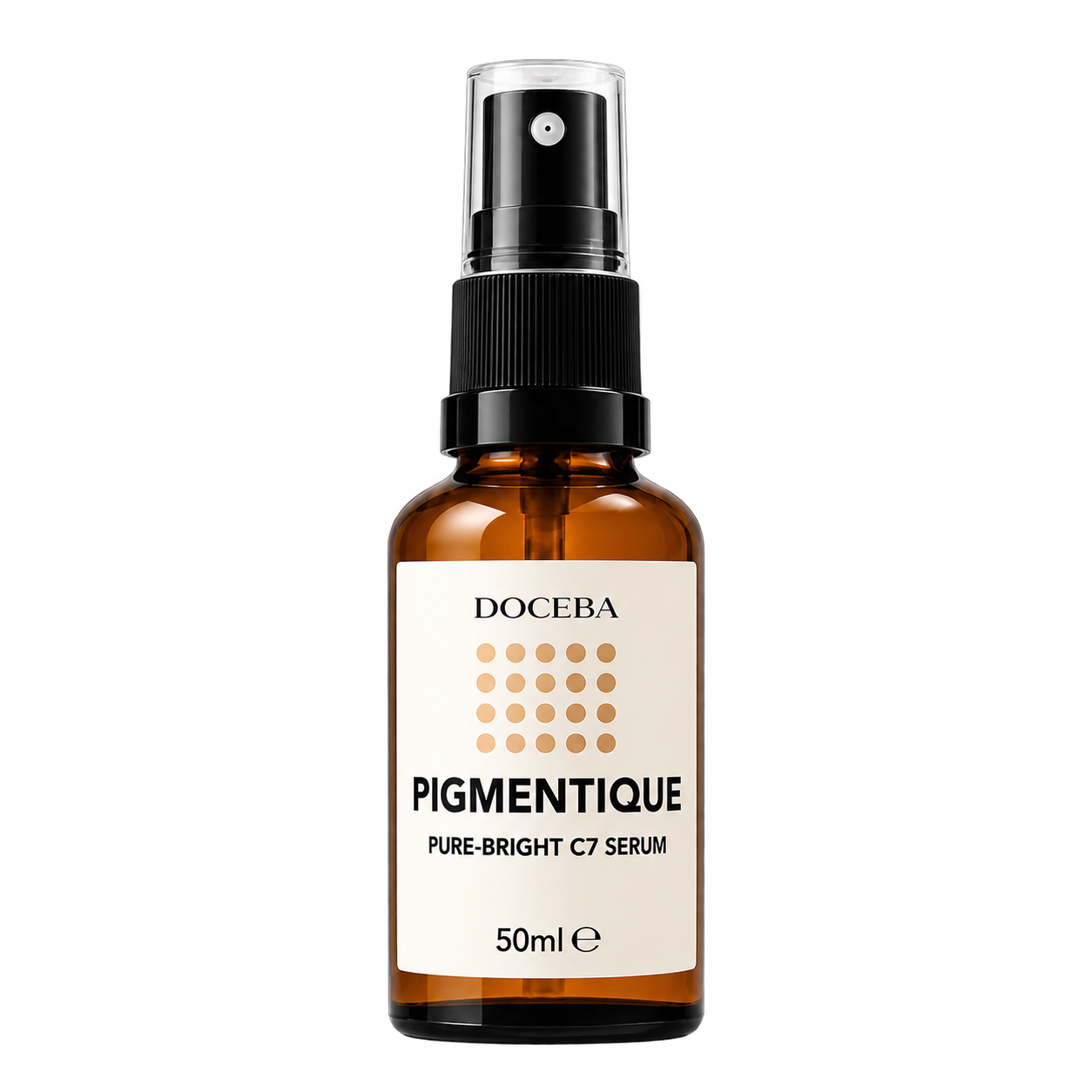
For the body we make the Pure Bright C7 Body Serum, a spray that helps dark spots look lighter. Use it as described on the product page.
We are working on our own sunscreen right now. If you buy one today, choose a tinted one. For dark spots a tinted product with iron oxides and at least SPF 30 suits best.
[S6][S8][P2]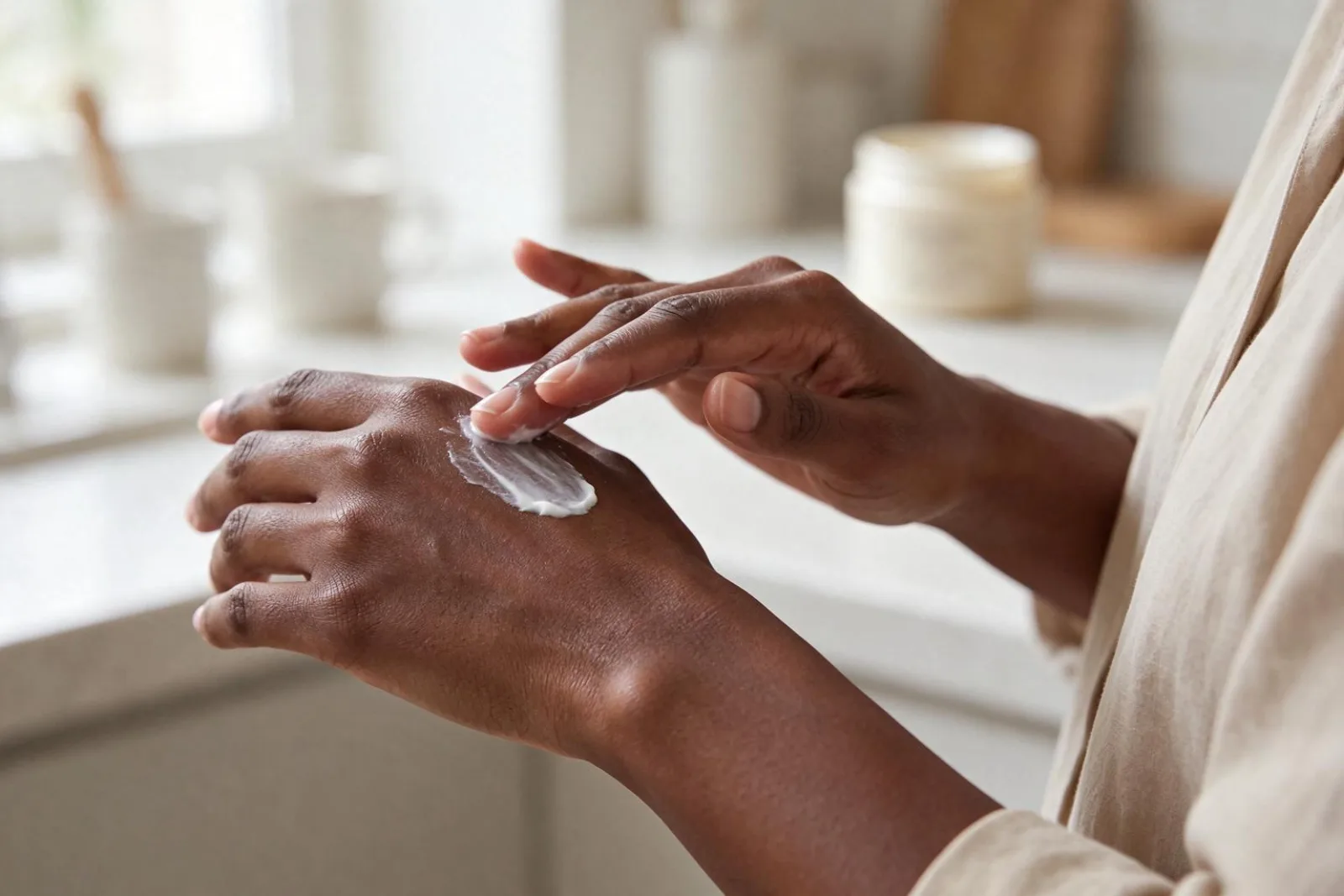
Work the cream in gently, without rubbing.
Illustration
From the lab
With dark knuckles we would not start with a brightener, not even our own. First you find out where the colour comes from. Then you care for the hand, and a serum comes after that.
A shelf product stays the same at every stage, your skin does not. Because Anita formulates in our own lab in Bielefeld, we can adjust a product when your skin needs something different. That is what Skin Protocol is for.
Your next step
Both paths are fine. Pick the one that fits you today.
- Photograph the backs of both hands in the same light and write down since when your knuckles have been darker.
- Pat your hands dry gently after each wash and apply a fragrance-free cream.
- If the change is new, or the skin gets thicker or velvety: see a dermatologist, and ask for a blood test if you suspect B12 deficiency.
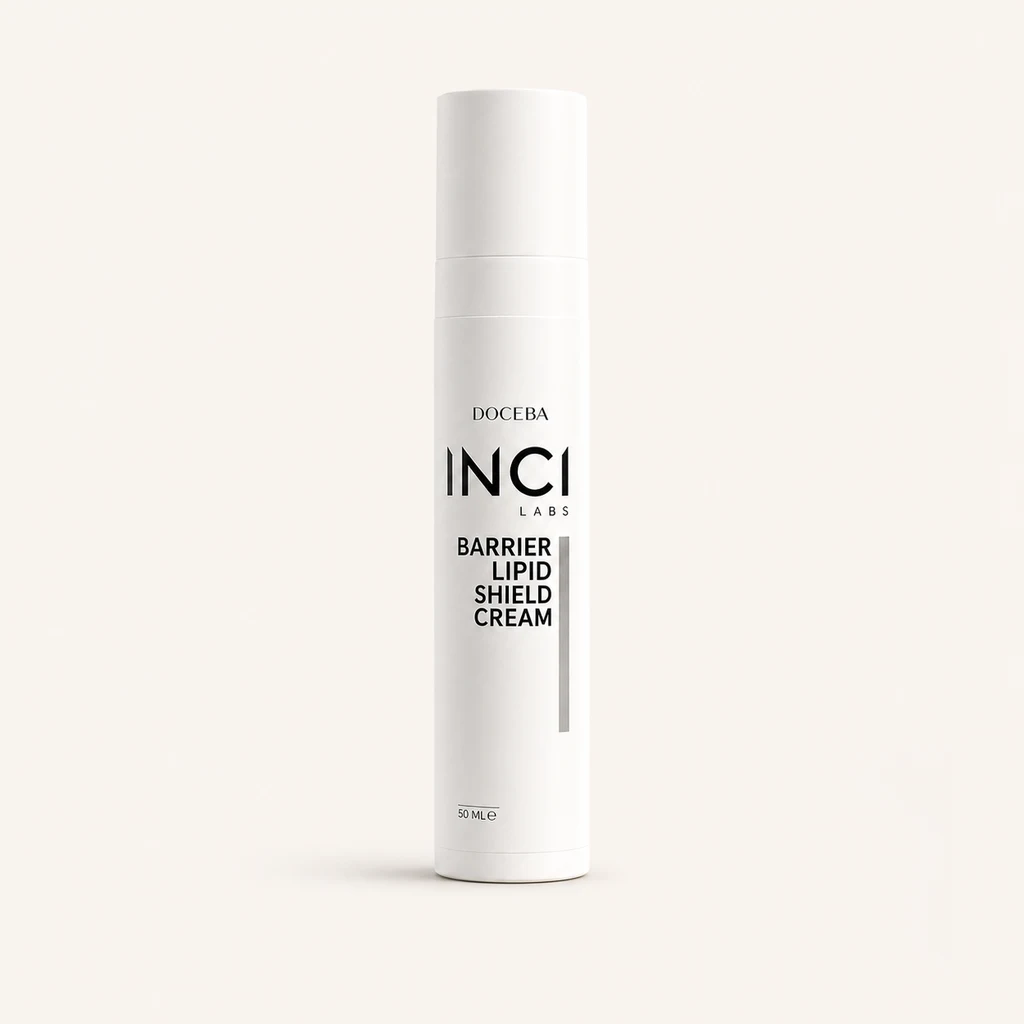
Matching products from our lab:
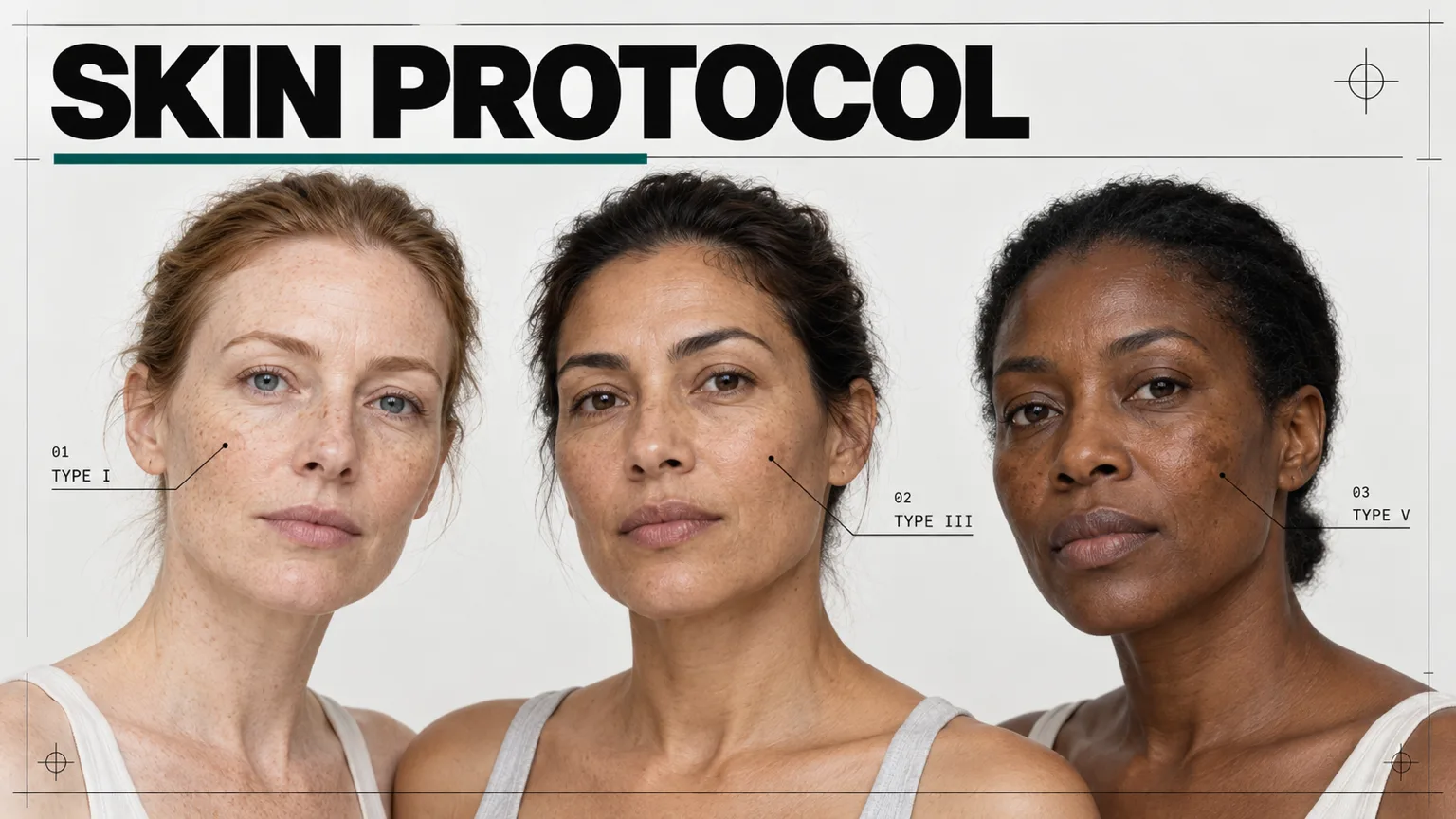
Skin Protocol: a plan for your skin and a team that adjusts it
You get a plan built around your skin and what you've already tried. We check in regularly and adjust products from Anita's lab when your skin needs something different. In English or German.
It starts with a free 20-minute call. We ring you and listen to your skin story, including your routine for dark spots.
Book your free skin callCosmetic advice, not a diagnosis. If you think you have a skin condition, see a doctor first.
Questions people still have
Are dark knuckles dangerous?
It depends. If knuckles get darker and also thicker or velvety, acanthosis nigricans may be behind it, so have a dermatologist look at them. The same goes if the change is new or came on suddenly. [S1][S2]
Can a vitamin B12 deficiency cause dark knuckles?
In case reports, yes. One report describes knuckle pigmentation as an early, easily visible sign of B12 deficiency that can appear before changes in blood count and nerves. Only a blood test shows whether you are deficient. [S3]
Does acanthosis nigricans have something to do with diabetes?
There is a link. It can be a sign of prediabetes and is mainly tied to insulin resistance, meaning the body responds less well to insulin. On darker skin it can also appear without insulin resistance. A doctor can look at what applies to you without rush. [S1][S2]
Which hand cream suits dark knuckles?
For dry skin on darker skin tones, gentle, fragrance-free care suits best. Creams and ointments work better than lotions. Apply it after every hand wash and include the knuckles. [S4]
How long do dark knuckles take to lighten?
There is no figure for knuckles specifically. Spots a few shades darker than your skin usually take 6 to 12 months once the cause is stopped. If the pigment sits deep, it can take years. With acanthosis nigricans or B12 deficiency it depends on treating the cause. [S8][S1][S3]
Sources
- [S1] AAD: Acanthosis nigricans: Overview ↗
- [S2] DermNet: Acanthosis nigricans ↗
- [S3] Srivastava A, Choudhary S: Knuckle Pigmentation as an Early Cutaneous Sign of Vitamin B12 Deficiency: A Case Report. JNMA 2020;58(230):798–800 ↗
- [S4] AAD: Dry skin remedies for darker skin tones ↗
- [S5] Glauner A, von Stebut E: Physiologische Hyperpigmentierungen auf dunkler Haut. Dermatologie 2023;74(2):95–99 ↗
- [S6] DermNet: Postinflammatory hyperpigmentation ↗
- [S7] Krishnamurthy S, Sigdel S, Brodell RT: Frictional asymptomatic darkening of the extensor surfaces. Cutis 2005;75(6):349–355 ↗
- [S8] AAD: How to fade dark spots in darker skin tones ↗
- [P1] DOCEBA: Barrier Lipid Shield Cream ↗
- [P2] DOCEBA: Pure Bright C7 Body Serum ↗
General skincare information, not a diagnosis or an individual treatment plan.
Your bag
Review your items before continuing.
Your bag is empty.