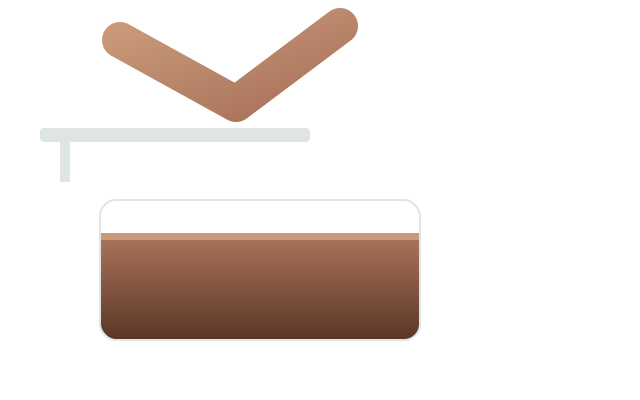
Why knees and elbows get darker
Think about how often you lean on your elbows or kneel. Skin over bone takes pressure and rubbing every day. In 2005, Krishnamurthy and colleagues described the pattern in the journal Cutis: an even brown darkening over the outer side of the elbows and knees, minimal scaling, no symptoms.
The authors point to two factors:
- Friction and pressure. Leaning on a desk, kneeling to clean, for sport or for prayer, tight jeans over the knee.
- Family history. For some people it simply runs in the family.
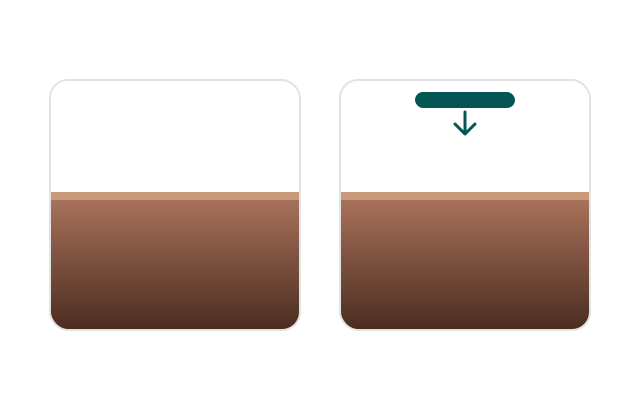 No pressureThin horny layerPressure, every dayHorny layer thickens
Schematic illustration · not a before-and-after or a treatment result
Where the skin takes the load, it thickens. Biopsies in the case series showed a thicker horny layer, a thicker epidermis and very little inflammation. That is why the patch often feels rough.
A second cause can sit on top. When a graze, an eczema flare or a psoriasis patch heals on a knee or elbow, melanin-rich skin often keeps a dark mark. That is post-inflammatory hyperpigmentation (PIH), and on darker skin it is more common, more intense and slower to fade.
[S1][S5]When to see a doctor
Most dark knees and elbows are harmless. Two conditions can look similar at first, though.
Acanthosis nigricans. The American Academy of Dermatology (AAD) describes brown to black patches that feel velvety and thicker than the surrounding skin, sometimes with skin tags, itching or odour. Elbows, knees and knuckles are on its list of sites. According to the NHS, the most common cause is being overweight; others include type 2 diabetes, hormonal conditions and some medicines, and rarely cancer. It is more common in people with black or brown skin. If it appears suddenly, the AAD says to book a dermatologist straight away.
Psoriasis. The NHS lists elbows and knees among the most common sites. Patches are dry and flaky, roughly 1 to 2 cm, and can itch or feel sore. On brown or black skin they look grey and leave dark marks once they clear.
Get it looked at if the skin turns velvety or noticeably thicker, if it shows up suddenly or spreads fast, if it scales, itches or hurts, or if your neck, underarms or groin are darkening too. This is a skincare guide, not a diagnosis.
[S2][S3][S4] Frictioneven, slightly roughAcanthosis nigricansvelvety, thickenedPsoriasisgrey, scalyGet it checkedGet it checked
Schematic illustration · not a before-and-after or a treatment result
What makes dark knees and elbows worse
- Scrubbing with grainy exfoliants, pumice or a brush. That is exactly the kind of friction that thickens the skin.
- Lemon juice, baking soda, undiluted acids. The AAD says to stop anything that burns or stings.
- Bleach. The AAD calls liquid bleach a harmful treatment that should never go on skin.
- Long, hot showers and soaps with fragrance or alcohol. They dry the skin out and irritate it.
- Carrying on leaning and kneeling as before. As long as the pressure stays, the thickening comes back.
What helps, step by step
1. Take the pressure off
Along with the cream, this is the part the Cutis authors single out. Rest your forearm on the desk instead of your elbow, use a cushion or knee pad when you kneel, and swap jeans that are tight over the knee. It sounds obvious. Without it, nothing else lasts.
[S1]2. Moisturise straight after the shower
For dry skin on darker skin tones, the AAD recommends short, warm showers, patting skin dry instead of rubbing, and a mild, fragrance-free moisturiser right after towelling off. Creams and ointments work better than lotions. Give your knees and elbows their share every time.
[S7] Pad when kneelingCream after the showerLactic acid or ureaMore even
Schematic illustration · not a before-and-after or a treatment result
Step 4: Marks from injuries: patience and sunscreen
If part of the colour is PIH, say after a graze, it fades on its own once nothing new is added. The AAD says a spot a few shades darker than your natural skin colour usually fades within 6 to 12 months. Skin that clothing doesn't cover needs sunscreen, and that includes knees in shorts in summer.
Based on the AAD, not a promise. Applies to marks after injuries (PIH), not to thickening from friction.
More on PIH and the ingredients that help: Hyperpigmentation on dark skin.
[S6]From the lab
On knees and elbows we wouldn't start with a brightening product, not even our own. These spots get pressed and rubbed every single day, and as long as that continues, any active ingredient is working against your routine. Less pressure first, then care.
A shelf product stays the same in every phase. Your skin doesn't. Because Anita formulates in our own lab in Bielefeld, we can adjust a product when your skin needs something different. That is what Skin Protocol is for.
Your next step
Both routes are fine. Pick the one that fits you today.
- For four weeks, lean on your elbows less and put a pad under your knees when you kneel.
- Cream on knees and elbows after every shower, everything fragrance-free.
- Take a photo once a month in the same light. If the skin turns velvety, thicker or scaly, see a doctor.
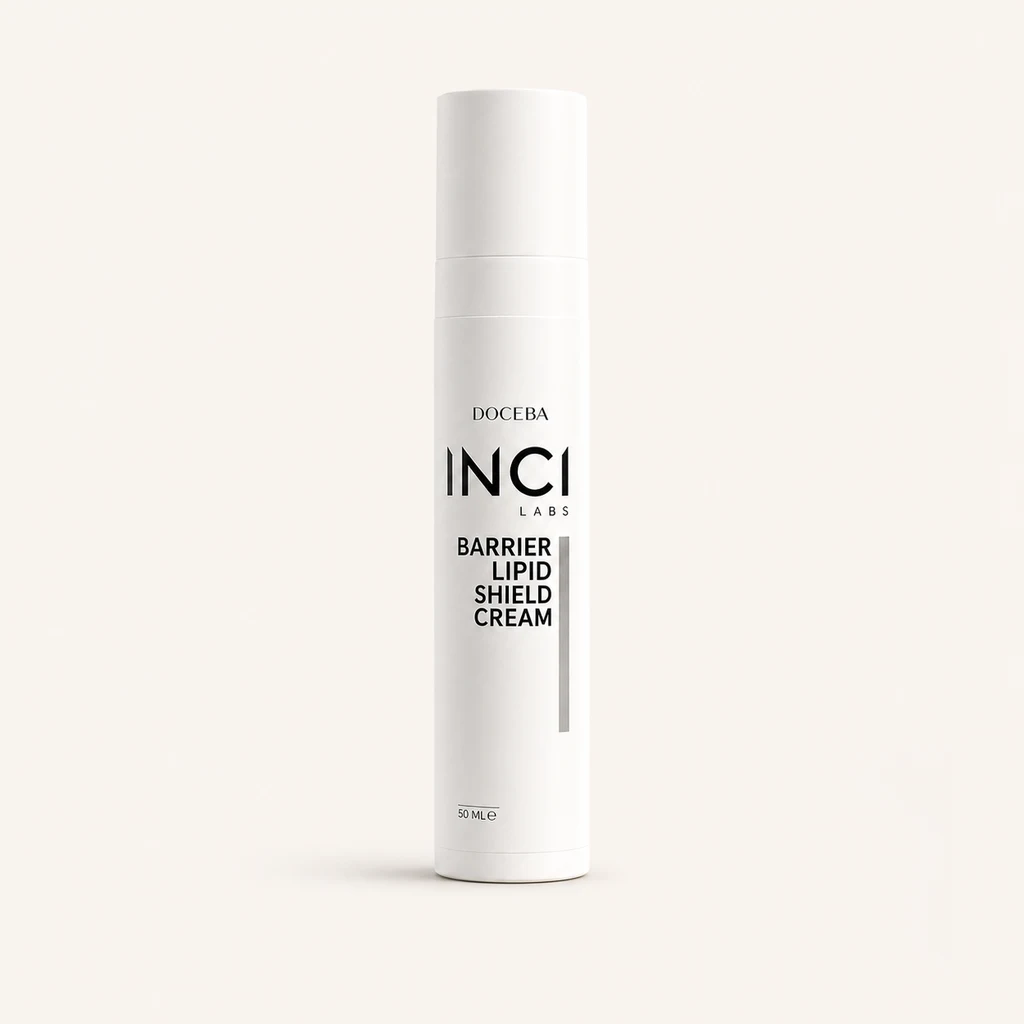
Matching product from our lab:
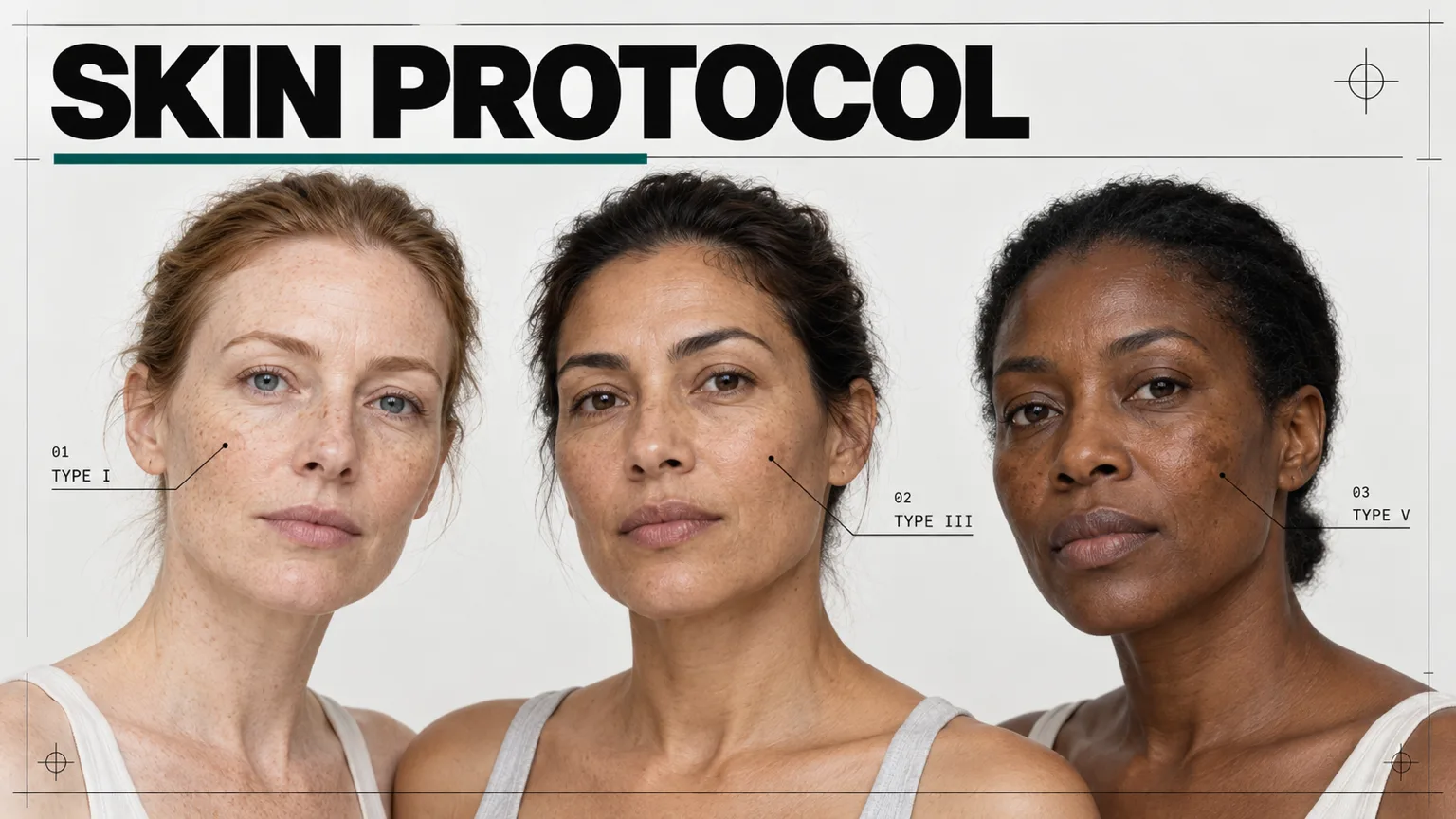
Skin Protocol: a plan for your skin and a team that adjusts it
You get a plan built around your skin and what you've already tried. We check in regularly and adjust products from Anita's lab when your skin needs something different. In English or German.
It starts with a free 20-minute call. We ring you and listen to your skin story, including dark knees and elbows.
Book your free skin callCosmetic advice, not a diagnosis. If you think you have a skin condition, see a doctor first.
Questions you might still have
Why are my elbows dark?
Usually friction and pressure. The skin thickens where it takes the load and looks darker. Dermatologists call this FADES, and it can run in families. [S1]
How do I get rid of dark knees?
They often even out once you lean and kneel less and use a cream with lactic acid or urea to soften the thickened layer. It won't happen overnight, and bleach never belongs on skin. [S1][S6]
Are dark knees and elbows a sign of diabetes?
Not by themselves. If the skin is velvety and thickened, though, it could be acanthosis nigricans, which is often linked to excess weight or type 2 diabetes. Your doctor can check. [S2][S3]
Should I exfoliate dark elbows?
A grainy scrub or pumice stone adds friction. The Cutis authors use creams with lactic acid or urea instead, which loosen the horny layer without rubbing. [S1]
Sources
- [S1] Krishnamurthy S, Sigdel S, Brodell RT: Frictional asymptomatic darkening of the extensor surfaces. Cutis 2005;75(6):349–355 ↗
- [S2] AAD: Acanthosis nigricans: Signs and symptoms ↗
- [S3] NHS: Acanthosis nigricans ↗
- [S4] NHS: Psoriasis ↗
- [S5] DermNet: Postinflammatory hyperpigmentation ↗
- [S6] AAD: How to fade dark spots in darker skin tones ↗
- [S7] AAD: Dry skin remedies for darker skin tones ↗
- [P1] DOCEBA: Barrier Lipid Shield Cream ↗
General skincare information, not a diagnosis or an individual treatment plan.
Your bag
Review your items before continuing.
Your bag is empty.