Morning, bathroom light coming in from the side. The spot healed three weeks ago, but the mark it left looks like it appeared yesterday. You've already bought a scrub, a serum from a video and a cream a friend swore by. Now there are three half-used bottles on the shelf, and the mark hasn't moved.
That isn't a discipline problem. Acne marks fade slowly, and some of the things meant to help can irritate your skin even more. This guide sorts out what comes first and what can wait.
Why does a pimple leave a dark mark?
A pimple often leaves a dark mark because the inflammation makes your skin produce extra melanin, the pigment that gives skin its colour. When the inflammation settles, that extra pigment stays behind for a while. The medical name is post-inflammatory hyperpigmentation, or PIH. Picking, scratching and harsh skin care can trigger it too.
An acne mark is flat: only the colour has changed. An acne scar changes the texture of the skin, often as a small dip. That's a different issue. If you're not sure which one you're looking at, a dermatologist's opinion is worth more than the next product.
[S1][S2][S8]- 1 · Inflammation
A pimple is a small inflammation.
Around the blocked pore, your skin reacts. That reaction reaches the cells that make your skin colour too.
- 2 · Extra pigment
Pigment cells make extra melanin.
Melanin is the pigment that gives skin its colour. The trigger leads to more of it, and it moves up into the outer layer.
- 3 · The mark stays
The inflammation settles. The pigment stays for now.
From the outside you now see a flat, dark mark. The medical name is post-inflammatory hyperpigmentation, PIH for short.
- 4 · Sometimes deeper
Colour that sits deeper takes longer.
If pigment lies deep in the skin, fading takes much longer. More on timing further down.
1. Calm your routine down first
The basics for acne marks are short: gentle cleansing, moisture, sun protection. Drop rough scrubs, brushes and squeezing. If a product burns or stings, stop using it, because irritation can trigger new dark marks.
Before you buy anything new, look at what you already have. What cleanses, what moisturises, what protects you from the sun? Anything that feels comfortable and doesn't sting can stay.
If you only change one thing today, pick the most irritating one. Something like: “The gritty scrub goes in the drawer.” A change you can explain to yourself is easier to stick with than seven new steps.
[S1][S2][S5][S7]Then: one targeted changeOnce your basic routine is manageable.
↗2. Give sunscreen its own step
Sunlight and visible light can make dark marks darker. That's why treating acne marks starts with sunscreen: broad-spectrum, SPF 30 or higher, water-resistant. A tinted formula with iron oxides adds protection against visible light.
Pick a shade and texture you actually like. If it leaves a grey cast, you won't reach for it every morning. If you break out easily, look for “non-comedogenic” on the label.
Outdoors, reapply every two hours, and straight after swimming or sweating. A vitamin C serum doesn't replace sunscreen. Neither does a day cream without a stated SPF.
[S1][S3]3. Then one active, not five
Is your skin happy with the basics, and are new breakouts rare? Then you can add one targeted ingredient. If you're still getting new spots regularly, treating the acne comes first, because every new inflammation can leave a new mark.
Two ingredients come up again and again for acne marks. Azelaic acid is used for acne and for the dark marks it leaves. Vitamin C is one of the ingredients the American Academy of Dermatology (AAD) lists as able to fade existing dark spots. How well a finished product works still depends on the whole formula, and not on the name on the label.
A note from our lab: pure vitamin C, ascorbic acid, is delicate and breaks down with air and light. That's why many formulas use more stable derivatives.
Patch-test every new product on a small area first. The AAD suggests twice a day for seven to ten days. If your skin reacts, leave it out. Introduce one new product at a time and note the start date, so later you know what made the difference.
[S1][S4][S6][S7]| Ingredient | What to keep in mind |
|---|---|
| Azelaic acid | Also used for acne itself. If you are pregnant or trying for a baby, check with a doctor first. [S1][S6] |
| Vitamin C | Doesn't replace sunscreen. Pure vitamin C is delicate, so many formulas use more stable derivatives. [S1] |
| Retinoids (e.g. retinol) | Introduce slowly. If it burns or stings, stop: irritation can trigger new marks. Check with a doctor during pregnancy. [S1][S6] |
| Glycolic acid | An AHA (fruit acid). Patch-test on a small area first. [S1][S4] |
| Kojic acid | Patch-test on a small area first. [S1][S4] |
This table lists ingredients, not products. How well a product works depends on its whole formula.
How long do acne marks take to fade?
Shallow acne marks usually fade within 6 to 12 months once the trigger has stopped, according to the American Academy of Dermatology (AAD). That applies to marks a few shades darker than your skin. If the colour sits deep in the skin, it can take years. That's longer than anyone would like.
You're not powerless in the meantime. Sunscreen and less irritation keep the mark from getting darker and mean fewer new ones. A targeted ingredient can help it fade.
If you want to track progress, take one photo every four weeks: same window, same time of day, no filter. Checking the mirror every morning tends to make you more anxious, not more informed.
[S1][S3]Orientation, not a promise. Every skin has its own pace.
When to get help
See a dermatologist if breakouts are deep and painful, if they leave scars, or if nothing improves despite a gentle routine. The same goes if you're unsure whether a mark is an acne mark at all.
If you're pregnant or trying for a baby, check any acne treatment with a doctor first.
And if your skin is weighing on you day to day, you can ask for support sooner. You don't have to try every product first.
[S6][S8]How do you want to go on?
Both routes are good ones. Pick the one that fits you today.
Your plan for the next few weeks
- Clear up the basics: gentle cleansing, moisture, nothing that stings.
- Sunscreen every morning, reapplied outdoors.
- One targeted ingredient, patch-tested first.
Matching products from our lab
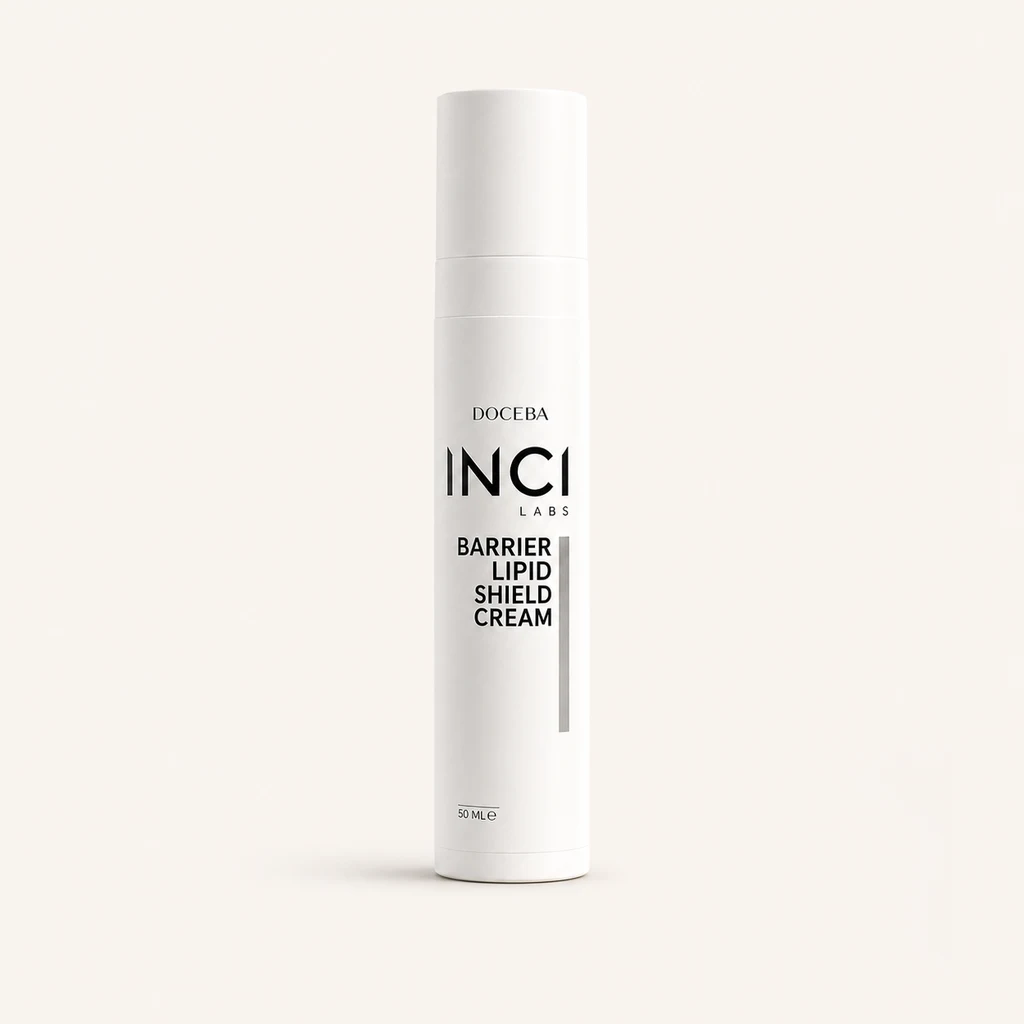
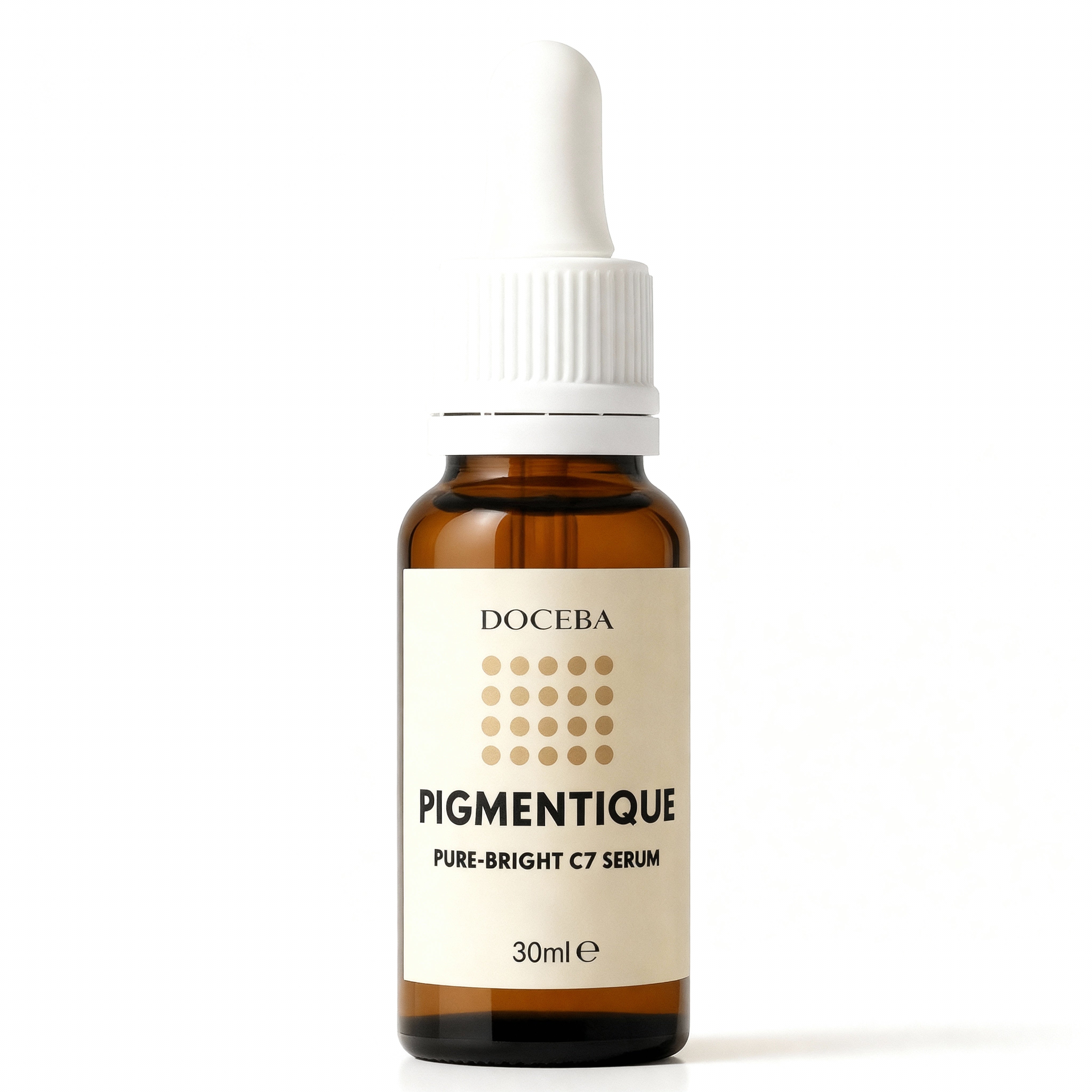
Skin Protocol: personal support with your routine
Want help putting your routine together? Ask us whether personal support with Skin Protocol is right for you.
Ask about personal supportThrough our general contact page. We will clarify the process and scope with you. No diagnosis.
Not sure whether it's an acne mark or a scar? Then a dermatologist's assessment is the best first step.
Questions you might still have
Do acne marks go away on their own?
Often, yes, but slowly. According to the AAD, shallow marks usually fade within 6 to 12 months once no new inflammation is added. Colour that sits deep can take years. Daily sunscreen helps keep them from getting darker in the meantime. [S1][S3]
Acne mark or acne scar: what's the difference?
An acne mark is a flat discolouration; the skin feels smooth there. An acne scar changes the texture, often as a dip. For scars, a dermatologist is the right place to go. [S1][S8]
Can I scrub dark marks away?
No. Rough scrubs and brushes irritate the skin, and irritation can trigger new dark marks. Gentle cleansing works better. [S1][S2]
Does vitamin C help with acne marks?
The AAD lists vitamin C among the ingredients in non-prescription products that can fade existing dark spots. How well a particular product works depends on its formula. You still need sunscreen every day. [S1]
Should I keep switching products until something works?
Better not. Switching often can irritate your skin. Give a new product time and introduce only one at a time. [S7]
Sources
- [S1] AAD: How to fade dark spots in darker skin tones ↗
- [S2] AAD: 10 tips for clearing acne in darker skin tones ↗
- [S3] AAD: Choosing the right sunscreen ↗
- [S4] AAD: How to test skin care products ↗
- [S5] AAD: Skin care on a budget ↗
- [S6] AAD: Adult acne treatment dermatologists recommend ↗
- [S7] AAD: Acne care tips ↗
- [S8] NHS: Acne ↗
- [P1] Doceba: Barrier Lipid Shield Cream ↗
- [P2] Doceba: Pigmentique Pure Bright C7 Serum (V2) ↗
- [P3] Doceba: Contact ↗
General skin-care information, not a diagnosis or a personalised treatment plan.
Your bag
Review your items before continuing.
Your bag is empty.