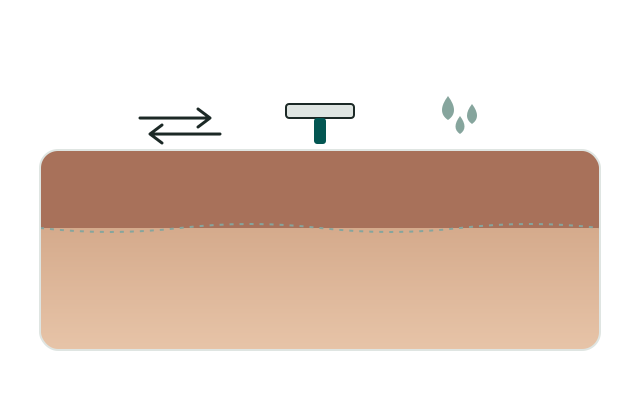
What causes dark underarms
Your underarm is a skin fold. Skin rubs on skin, it's warm, you sweat, and something new goes on it every morning. A 2025 review in the Journal of Cosmetic Dermatology by Vahabi and colleagues lists friction, hair plucking, shaving, deodorants and whitening agents as triggers. The authors write that chemical deodorants, shaving and friction irritate and damage the skin, and that this damage is what leads to PIH.
In practice:
- Shaving and plucking. A razor takes a little of the top layer with it. Razor bumps and ingrown hairs often heal into flat dark marks.
- Friction. Tight sleeves, workouts, arms pressed to your sides all day. Constant rubbing is enough.
- Deodorant and antiperspirant. Fragrance and other ingredients can sting on freshly shaved skin. When a product irritates your skin, it can cause dark spots.
- Lightening creams. Yes, the thing people buy to fix dark underarms is on the trigger list too.
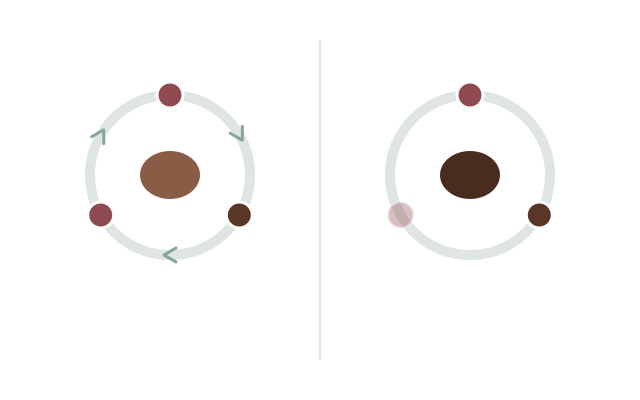 Irritation keeps the loop goingIrritationPigmentMore irritationLoop brokenIrritation stoppedThe mark lightens
Schematic illustration · not a before-and-after or a treatment result
The colour shows up exactly where the irritation was, and it stays after the skin has healed.
[S1][S2][S7]When dark underarms need a doctor
Not every dark underarm is PIH. The review says to rule out other causes before trying to lighten anything, and names erythrasma among them. Those conditions need proper treatment, not a lightening product.
Acanthosis nigricans. The NHS describes dry, dark patches, usually in the armpits, neck or groin, that are thicker than normal skin and feel like velvet. Some people get small skin tags on them. The most common cause is excess weight. Others include type 2 diabetes, hormone-related conditions and some medicines. Rarely, it's linked to cancer. It's more common in people with black or brown skin. The American Academy of Dermatology (AAD) notes it can be a sign of prediabetes. Once the cause is treated, the patches should fade. A cream on its own won't fix it.
Erythrasma. A bacterial skin infection of skin folds, armpits included. DermNet describes well-defined pink or brown patches with fine scaling, sometimes mildly itchy. Under a Wood lamp they glow coral pink. A doctor treats it, for example with an antibiotic cream.
Get your underarms checked if the skin turns thick or velvety, if a dark patch spreads quickly, itches or flakes, or if you can't point to any trigger. This article is skincare guidance. It can't diagnose you.
[S1][S4][S5][S6] PIHflatAcanthosis nigricansthick, velvetyErythrasmascalysee a doctorsee a doctor
Schematic illustration, not a diagnostic tool. If in doubt, get it checked.
What makes dark underarms worse
- Lemon juice, baking soda, undiluted acids. Natural doesn't mean gentle, and stinging means irritation.
- Bleaching creams and imported lightening products with vague labels. The AAD warns they can contain steroids or mercury that aren't on the label.
- Scrubbing to "get the dark off". The colour is in the skin, not sitting on top of it.
- Dry shaving, dull blades, going over the same spot again and again.
- Deodorant straight onto skin you've just shaved.
How to get rid of dark underarms, step by step
1. Change how you remove hair
The AAD's advice: wet skin and hair first, use a shaving cream or gel, shave in the direction the hair grows, rinse the blade after every swipe, and swap the blade or disposable razor after 5 to 7 shaves. Keep the razor somewhere dry, not in the shower. Stop plucking altogether. It's one of the listed triggers.
[S3][S1]2. Look hard at your deodorant
If it burns or stings, stop using it. For skin that darkens easily, the AAD recommends gentler products, such as fragrance-free ones or those labelled for sensitive skin.
[S2]3. Cut the friction and look after the skin
Looser sleeves, breathable fabric for workouts, a fragrance-free moisturiser after shaving. Irritated skin needs rest before it needs actives.
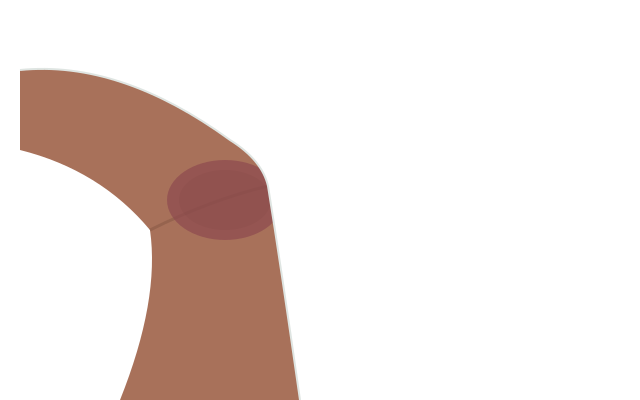 Razor with the hairDeodorant only on calm skinLoose sleevesSkin calm
Schematic illustration · not a before-and-after or a treatment result
Step 4: Then let it fade
Once the irritation stops, PIH lightens by itself. Slowly. According to the AAD, a spot a few shades darker than your skin usually fades within 6 to 12 months after the cause is stopped. Deeper pigment can take years.
Which ingredients? For over-the-counter products the AAD names azelaic acid, glycolic acid, kojic acid, retinoids, vitamin C. Research on underarms specifically is thin. The 2025 review found only a handful of mostly small studies, looking at niacinamide, alpha hydroxy acids, glycolic acid and a few others. Try anything new on a small patch before you use it on the whole underarm.
Laser and IPL are options for underarms too, but only with a doctor. On darker skin, IPL can occasionally cause hyperpigmentation itself.
Orientation based on the AAD, not a promise. The clock only starts once no new irritation is added.
The general order for PIH, including on your face, is in our guide to hyperpigmentation on dark skin.
[S2][S1]From our lab
For a formula, the underarm is a hard place to work. It's warm, it's damp, and deodorant goes on every day. That's why we would never start here with a strong lightening product, our own included. The skin has to stop being irritated first. Only then does an active ingredient stand a chance.
A shelf product stays the same at every stage. Your skin doesn't. Because Anita formulates in our own lab in Bielefeld, we can change a product when your skin needs something different. That is why Skin Protocol exists.
Your next step
Both routes are fine. Pick the one that fits you today.
- For four weeks: shave more gently, don't pluck, and only put deodorant on calm skin.
- Fragrance-free moisturiser after shaving. Drop anything that stings.
- Take a photo once a month in the same light. If the skin gets thicker or feels velvety, see a doctor.
Matching product from our lab:
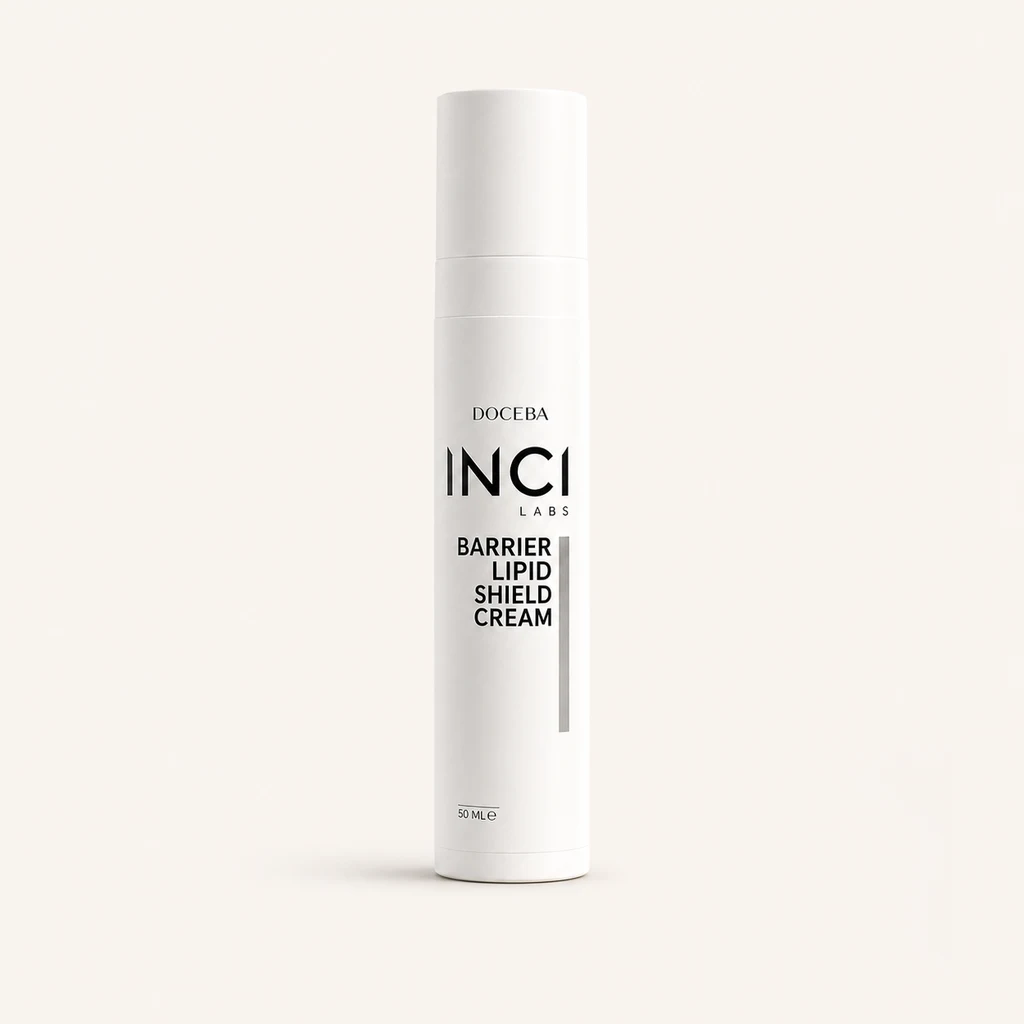
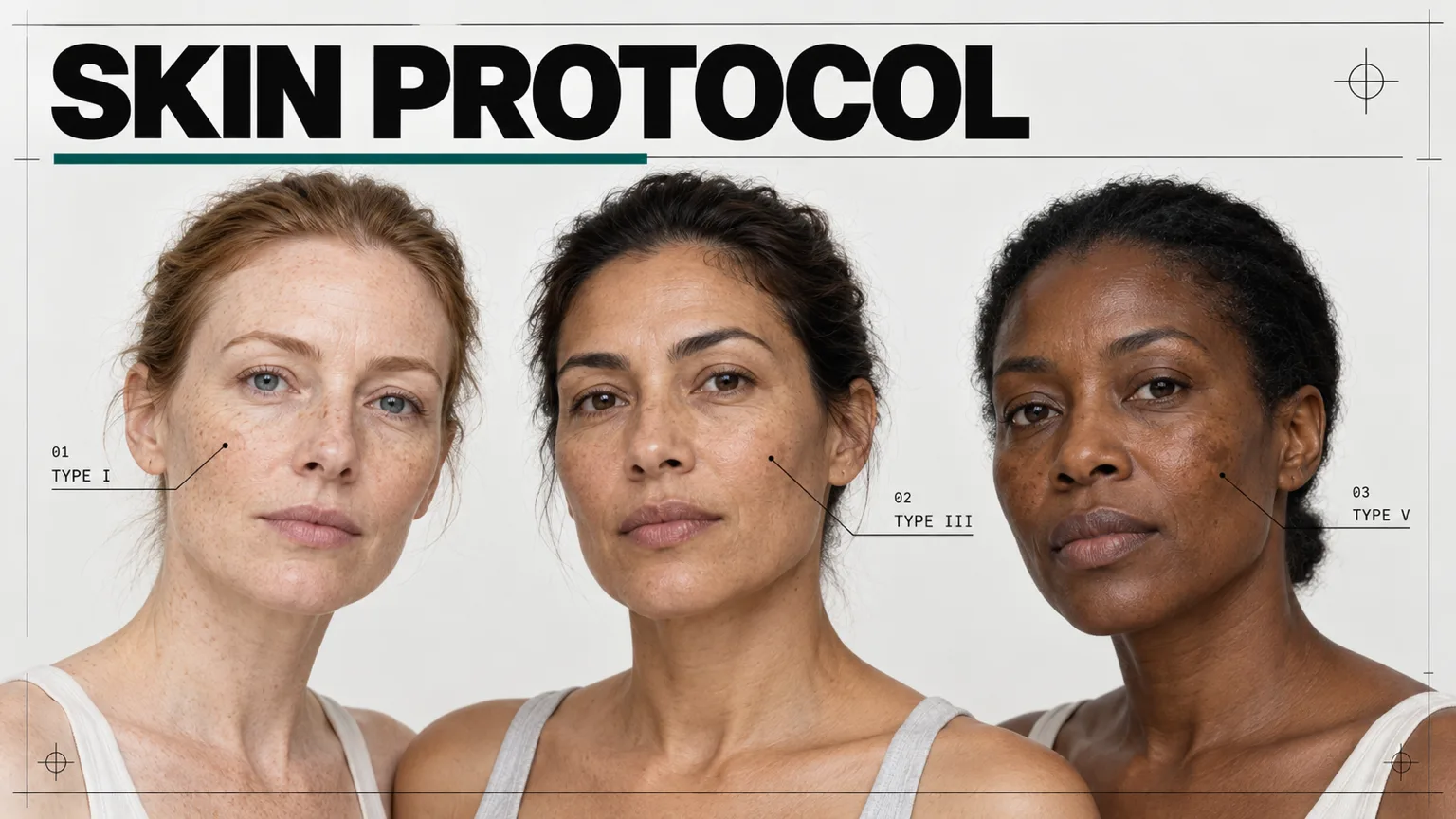
Skin Protocol: a plan for your skin and a team that adjusts it
You get a plan built around your skin and what you've already tried. We check in regularly and adjust products from Anita's lab when your skin needs something different. In English or German.
It starts with a free 20-minute call. We ring you and listen to your skin story, including dark underarms from shaving or deodorant.
Book your free skin callCosmetic advice, not a diagnosis. If you think you have a skin condition, see a doctor first.
Questions you might still have
Why are my underarms dark?
Usually irritation: shaving, plucking, friction and deodorant. Skin answers with extra pigment (PIH). Less often, acanthosis nigricans or an infection such as erythrasma is behind it. [S1][S4][S6]
How do I get rid of dark underarms fast?
There's no honest overnight fix. Once the trigger is gone, a mild mark usually fades within 6 to 12 months, according to the AAD. Products that promise quick results sometimes contain ingredients that aren't on the label. [S2]
Can deodorant make your underarms dark?
It can. The 2025 review lists deodorants as one of the triggers because they can irritate the skin. If yours stings, stop and try a fragrance-free one. [S1]
Are dark armpits a sign of diabetes?
Not on their own. But if the skin is thickened and velvety, it may be acanthosis nigricans, which is often linked to excess weight or type 2 diabetes and can be a sign of prediabetes. A GP can check. [S4][S5]
Do lemon or baking soda work?
Probably not, and they can hurt. Both can irritate, and on melanin-rich skin irritation is exactly what creates new dark marks. The AAD says to stop anything that burns or stings. [S2]
Sources
- [S1] Vahabi SM et al.: Axillary Hyperpigmentation Treatment: A Systematic Review of the Literature. J Cosmet Dermatol 2025 ↗
- [S2] AAD: How to fade dark spots in darker skin tones ↗
- [S3] AAD: Hair removal: How to shave ↗
- [S4] NHS: Acanthosis nigricans ↗
- [S5] AAD: Acanthosis nigricans: Overview ↗
- [S6] DermNet: Erythrasma ↗
- [S7] DermNet: Postinflammatory hyperpigmentation ↗
- [P1] DOCEBA: Barrier Lipid Shield Cream ↗
General skincare information, not a diagnosis or an individual treatment plan.
Your bag
Review your items before continuing.
Your bag is empty.