
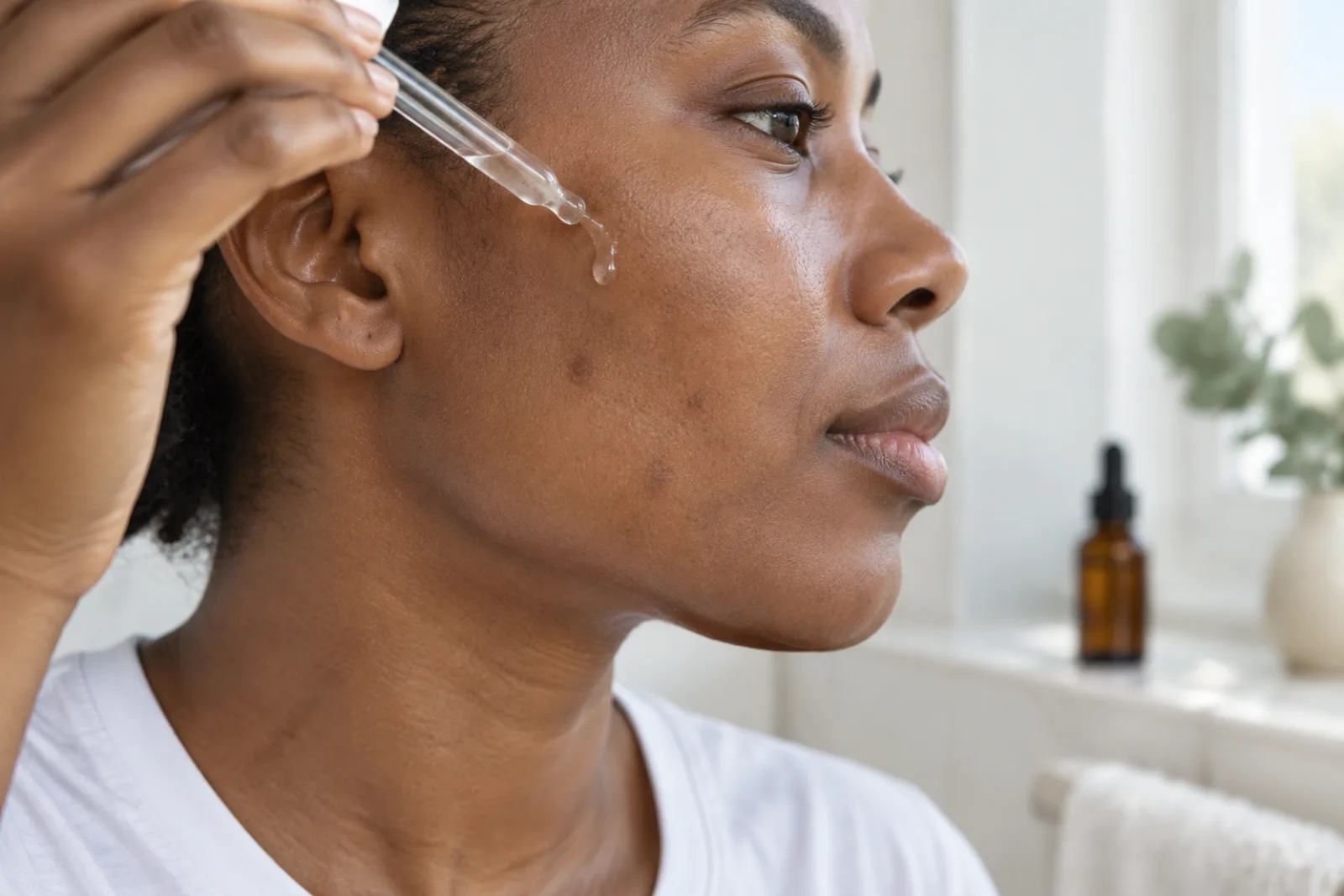
Can you use vitamin C and retinol together?
You can. The American Academy of Dermatology (AAD) puts both on its list of ingredients that can fade dark spots in darker skin tones: vitamin C and retinoids. Retinoid is the umbrella word for every vitamin A product used on skin. Retinol is the version sold in over-the-counter cosmetics.
They work on different parts of the problem. Vitamin C slows tyrosinase, the enzyme your skin needs to make its pigment, melanin. Retinoids speed up the turnover of the outer skin layer and hold back the handover of pigment packets to skin cells.
You may have read that the two cancel each other out. That idea comes from pH. Pure ascorbic acid, the classic form of vitamin C, gets into skin best below pH 3.5, which is quite acidic, and from there grew the rule never to mix it with retinol. One small study points the other way. Sophie Seité and colleagues had eleven women apply a product containing both retinol and vitamin C to the face for six months. Skin samples taken afterwards showed changes that partly reversed signs of sun ageing. The study wasn't about dark spots, and eleven people is a small group. Still, it shows the pair can work in a single product.
So chemistry is the smaller worry. Tolerance is the bigger one: how much can your skin take at once?
[S1][S2][S3][S4][S5][S6]Why vitamin C in the morning and retinol at night?
Retinol goes on at night. The AAD advises using retinoids only at night because they can make skin more sensitive to the sun. DermNet, the reference site run by New Zealand dermatologists, gives the same instruction for prescription retinoids: once a day at bedtime.
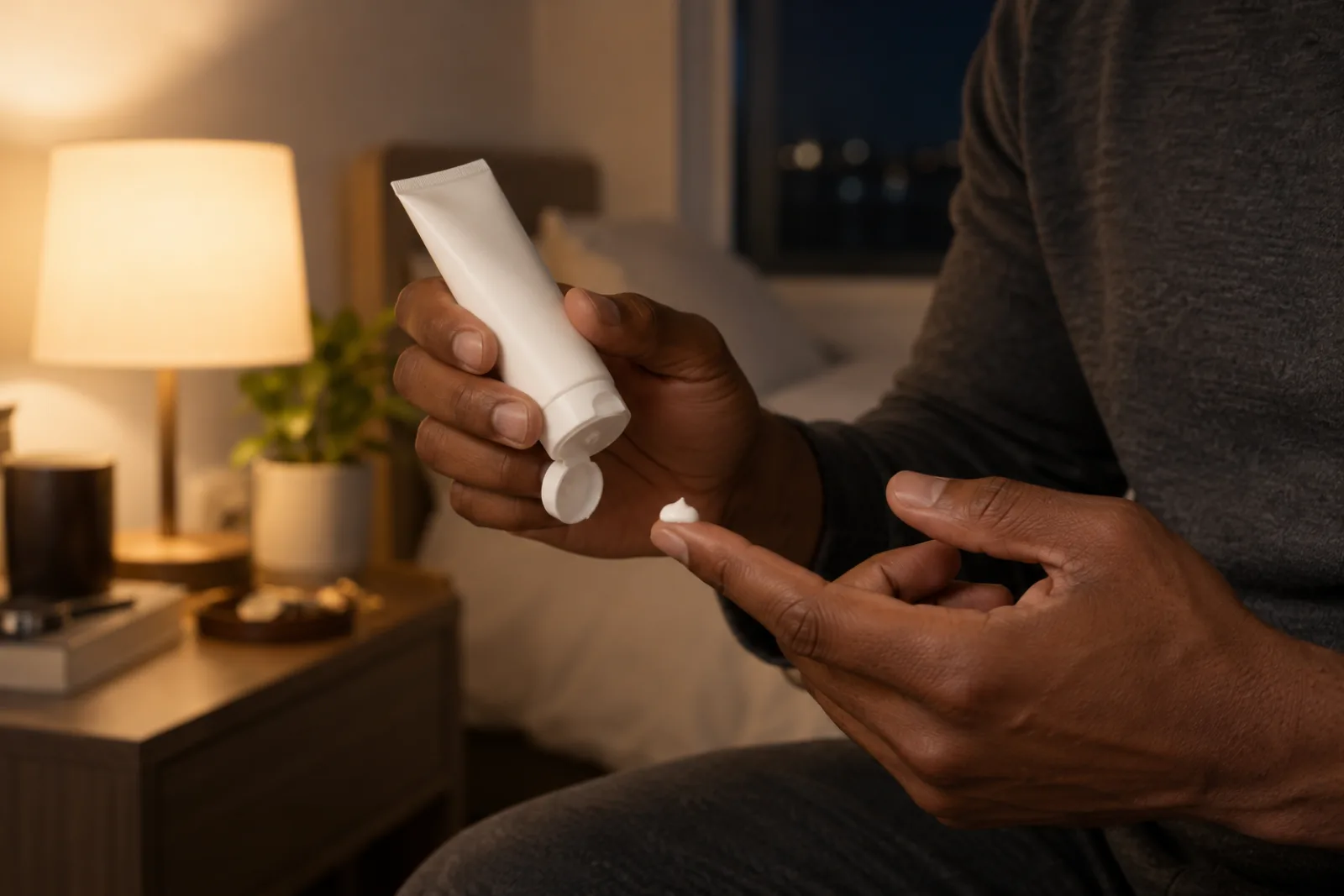
- 01Retinol: apply at night only
Applied at night, retinol doesn't meet daylight straight away. You still need sunscreen the next morning.
Illustration
Vitamin C suits the morning. It is an antioxidant, meaning it mops up free radicals, the reactive particles UV light creates in skin. A review in the Journal of Clinical and Aesthetic Dermatology notes that sunscreens block those particles only in part. Vitamin C under your sunscreen backs it up. It can't replace it.
You need sunscreen with both. For darker skin the AAD recommends a tinted sunscreen with iron oxide, since iron oxide also shields against visible light, one cause of dark spots. We're working on a sunscreen of our own at the moment. If you're buying one now, pick a tinted one. There's more in sunscreen for hyperpigmentation on dark skin.
For the full order of steps, morning and night, see the skincare routine for hyperpigmentation.
[S1][S2][S3][S4]Why irritation is the real risk on dark skin
Retinol often irritates in the first weeks. DermNet describes the typical retinoid reaction as red, peeling skin that feels dry. On light skin that is a nuisance that passes. On melanin-rich skin it can leave something behind.
The AAD says so directly in its retinoid guide: with skin of colour, irritation can trigger dark marks. A 2022 review led by dermatologist Valerie Callender reaches the same conclusion. Irritation from treatment can cause discolouration of its own in skin of colour and deepen marks that are already there. The authors add that the right skincare can offset this risk.
So you reach for these two actives to fade spots, and too much of them can hand you new ones. With vitamin C the risk is lower. The review calls its safety profile excellent and expects irritation mainly above 20 percent. The AAD's rule still covers both: if a product burns or stings when you put it on, stop using it.
[S1][S2][S3][S4][S5]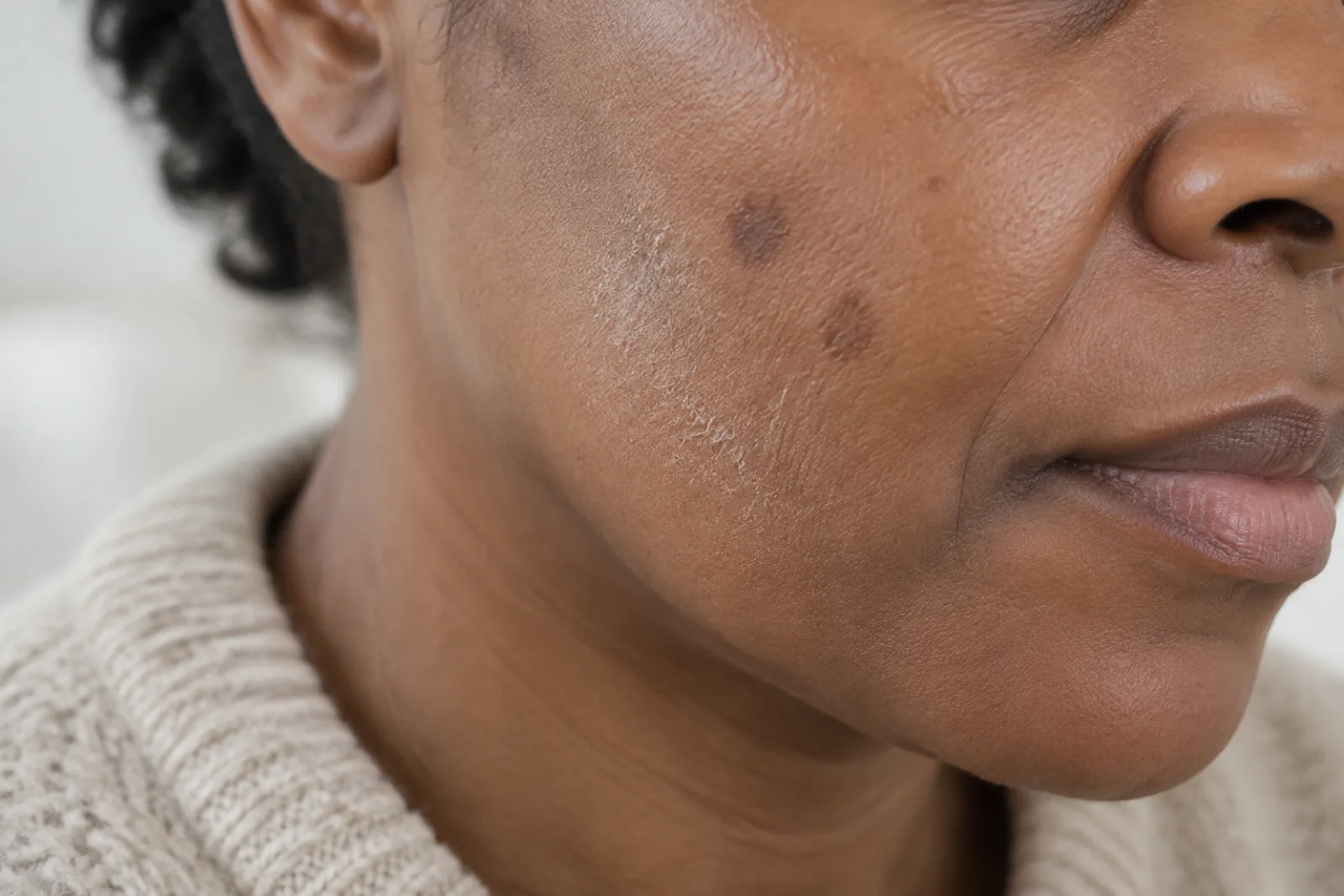
- 01Dry and flaky: a sign of irritation
- 02Irritation can leave dark marks behind
Dry, flaking skin is your cue to slow down.
Illustration · not a before-and-after or a treatment result
How to introduce vitamin C and retinol without overloading your skin
The order matters more than the brand. Add one active at a time, so that if something stings you know which bottle did it.
- Test first. The AAD suggests putting a new product on a coin-sized patch, such as the bend of your elbow, twice a day for seven to ten days. If that patch stays calm, move on to your face.
- Begin with vitamin C. Every morning after cleansing, followed by moisturiser and sunscreen. Let your skin settle into it before you add anything else.
- Then add retinol, and go low. The AAD's advice is the weakest formula you can find, every other night to begin with. Build up only once your skin is fine with that.
- Use moisturiser as a buffer. Along with the slow start, it lowers the chance of irritation, says the AAD. Callender's team goes a step further for sensitive skin and puts the moisturiser on before the retinoid.
- Keep everything else gentle. The review recommends a mild cleanser and warns against toners and astringents that dry the skin.
After that it's a waiting game. For prescription retinoids, DermNet says it may take 12 weeks or longer to see improvement, and Callender's team notes that pigment improves more slowly than acne does. For a sense of the overall timeline, read how long acne marks take to fade.
[S2][S3][S5][S8] Every morning: vitamin CRetinol: every other night at firstDashed: no retinol tonight, moisturiser only
Schematic illustration · not a before-and-after or a treatment result
Can you use vitamin C and retinol together at night?
You can. Seité's study even had both in one product. For most people it still isn't the best plan. You lose what vitamin C does under sunscreen during the day. And two actives land on your skin in the same ten minutes, so if it reacts you can't tell which one to blame.
If mornings really don't work for you, alternate your evenings instead: vitamin C one night, retinol the next. That keeps it to one active per night.
[S4][S6]Vitamin C or retinol: which one first for dark spots?
If you only want one, choose the one your skin is more likely to forgive. For most people that is vitamin C. The AAD calls retinoids a good option for mild pigmentation irregularities, with a caveat: people prone to redness, skin allergies or dryness are probably not good candidates. It also tells people with darker skin to watch closely for irritation.
In shortVitamin C is the easier place to start. Retinol can join later, at night and in small steps.
| — | Vitamin C | Retinol |
|---|---|---|
| What it does to pigment | slows tyrosinase, the enzyme that makes melanin | faster skin turnover, less pigment reaches the skin cells |
| When | morning, under sunscreen | night |
| Irritation | uncommon, more likely above 20 percent | common at first: redness, peeling, dryness |
| Pregnancy | no warning in the sources used here | do not use, says the AAD |
How vitamin C works and which form stays stable is covered in vitamin C for dark spots. And if niacinamide is on your list too, there's niacinamide vs. vitamin C.
[S2][S3][S4][S5]When to skip retinol
- During pregnancy. The AAD is plain about it: retinoids should not be used during pregnancy. If you're trying to conceive, ask your doctor.
- On red or inflamed skin. The AAD says people with redness or inflammation should ask about other options. DermNet warns that retinoids can make eczema worse because they dry the skin.
- When you already get a lot of vitamin A. Under EU Regulation 2024/996, face products may contain no more than 0.3 percent retinol equivalent and body lotions no more than 0.05 percent. The pack has to carry a warning that the product contains vitamin A and that you should consider your daily intake before use. The reason given is the total amount of vitamin A people already take in from food and supplements.
If irritated skin doesn't calm down after you stop, or if spots appear suddenly or start to change, see a dermatologist. That's also where stronger prescription retinoids come from, with a doctor keeping an eye on things.
[S2][S3][S7]From the lab
We don't make a retinol product. If you want retinol, you'll buy it elsewhere, and our products fit around it.
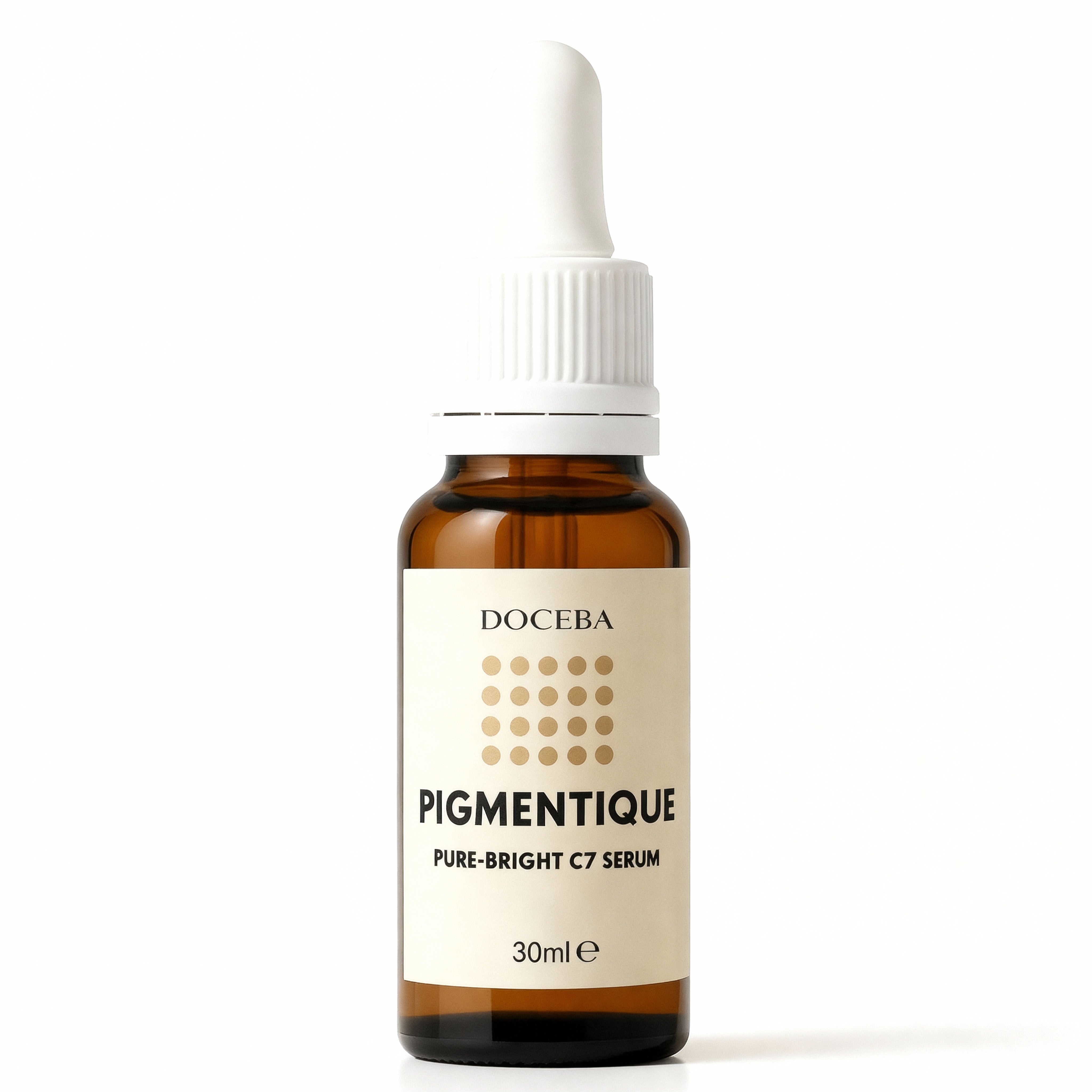
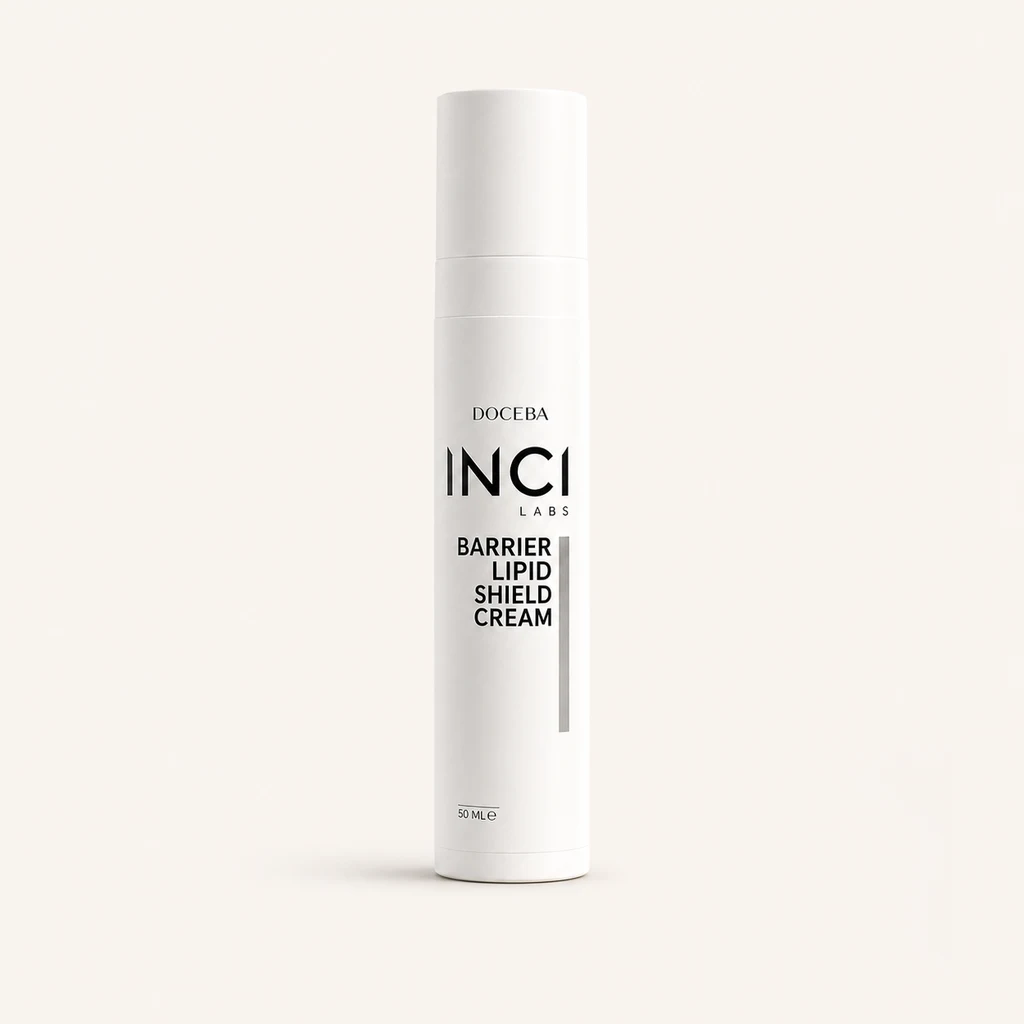
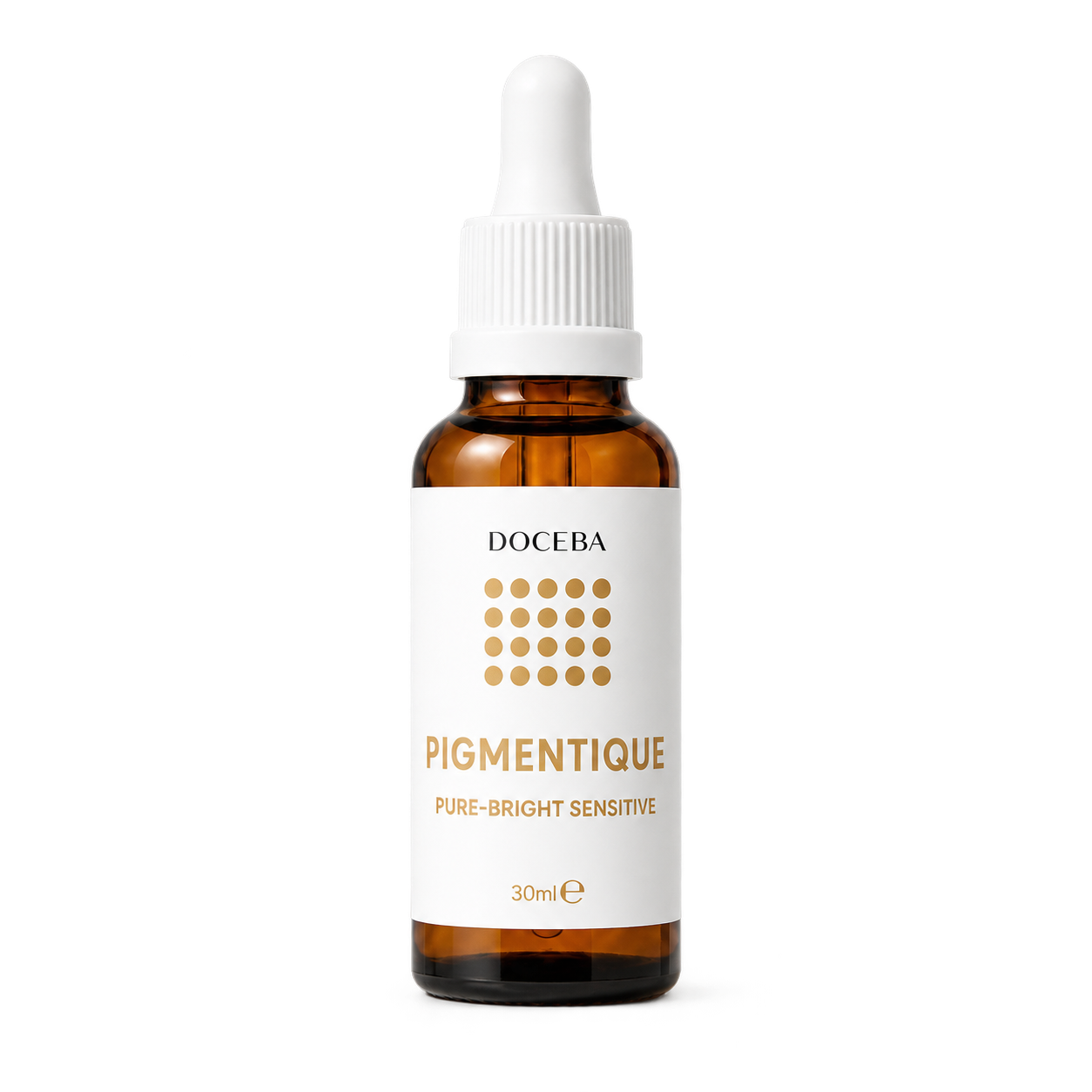
Our part is the morning. The Pure Bright serums contain 3-O-Ethyl Ascorbic Acid, a vitamin C derivative developed as a stable alternative to pure ascorbic acid. For the evening there's the Barrier Lipid Shield Cream as a buffer, on retinol nights and on the nights off. If you'd rather get the whole routine in one go, both are in the Pure Brightening Set, along with a cleanser and a booster serum.
A shelf product stays the same in every phase. Your skin doesn't. Because Anita formulates in our own lab in Bielefeld, we can adjust a product when your skin needs something different. That is what Skin Protocol is for.
[S9]Your next step
Both routes are fine. Pick the one that fits you today.
- Patch-test vitamin C, then use it every morning under sunscreen.
- Once your skin stays calm, add retinol: weakest formula, every other night, moisturiser after.
- If anything burns or stings, stop. Take a photo once a month in the same light.
Matching products from our lab:
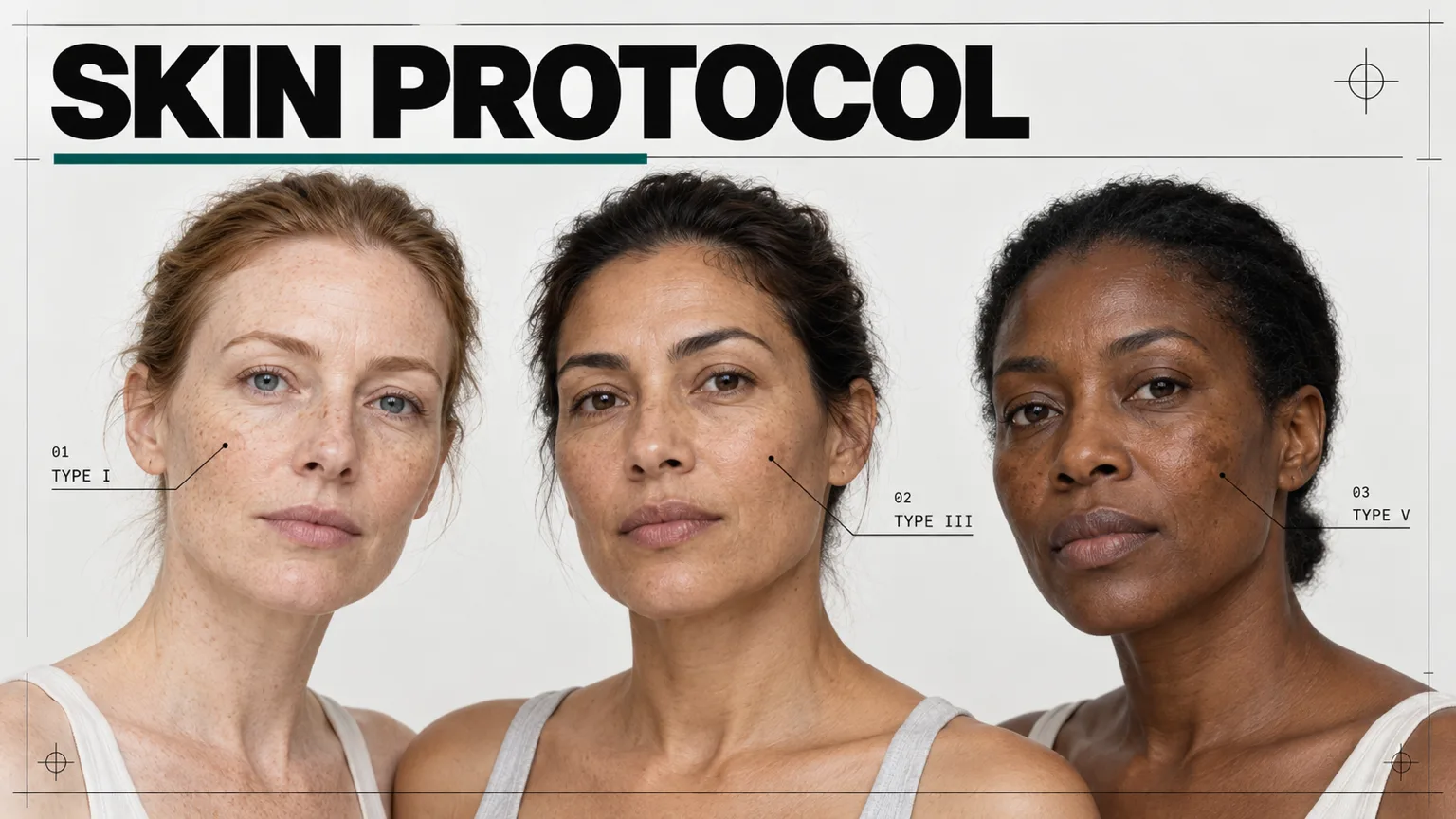
Skin Protocol: a plan for your skin and a team that adjusts it
You get a plan built around your skin and what you've already tried. We check in regularly and adjust products from Anita's lab when your skin needs something different. In English or German.
It starts with a free 20-minute call. We ring you and listen to your skin story, including which actives go together.
Book your free skin callCosmetic advice, not a diagnosis. If you think you have a skin condition, see a doctor first.
Questions you might still have
Can I use vitamin C and retinol together?
Yes, in the same routine. The easy split is vitamin C in the morning and retinol at night. Introduce them one after the other, not on the same day. [S1][S2]
Should I use retinol in the morning or at night?
At night. The AAD advises using retinoids only at night because they can make skin more sensitive to the sun. Wear sunscreen during the day. [S2]
Is vitamin C better in the morning or at night?
Morning makes the most sense. Vitamin C neutralises free radicals that sunscreen alone blocks only partly. Apply it under your sunscreen. [S4]
Vitamin C or retinol: which is better for hyperpigmentation?
The AAD lists both as ingredients that can fade dark spots and doesn't rank them. Vitamin C irritates less often, which makes it the easier first step for most people. [S1][S4]
Can retinol make dark spots worse?
It can, by way of irritation. The AAD notes that on skin of colour, irritation can trigger dark marks. Go low, build up slowly and moisturise well. [S2][S5]
Sources
- [S1] AAD: How to fade dark spots in darker skin tones ↗
- [S2] AAD: Retinoid or retinol? ↗
- [S3] DermNet: Topical retinoids ↗
- [S4] Al-Niaimi F, Chiang NYZ: Topical Vitamin C and the Skin. J Clin Aesthet Dermatol 2017 / PMC5605218 ↗
- [S5] Callender VD et al.: Effects of Topical Retinoids on Acne and Post-inflammatory Hyperpigmentation in Patients with Skin of Color. Am J Clin Dermatol 2022 / PMC8776661 ↗
- [S6] Seité S et al.: Histological evaluation of a topically applied retinol-vitamin C combination. Skin Pharmacol Physiol 2005;18(2):81–87 ↗
- [S7] Commission Regulation (EU) 2024/996 (vitamin A in cosmetic products) ↗
- [S8] AAD: How to test skin care products ↗
- [S9] Iliopoulos F et al.: 3-O-ethyl-l-ascorbic acid: characterisation and skin delivery. Int J Pharm X 2019 / PMC6733298 ↗
- [P1] DOCEBA: Barrier Lipid Shield Cream ↗
- [P2] DOCEBA: Pigmentique Pure Bright C7 Serum ↗
- [P4] DOCEBA: Pure Bright Sensitive Serum ↗
General skincare information, not a diagnosis or an individual treatment plan.
Your bag
Review your items before continuing.
Your bag is empty.