
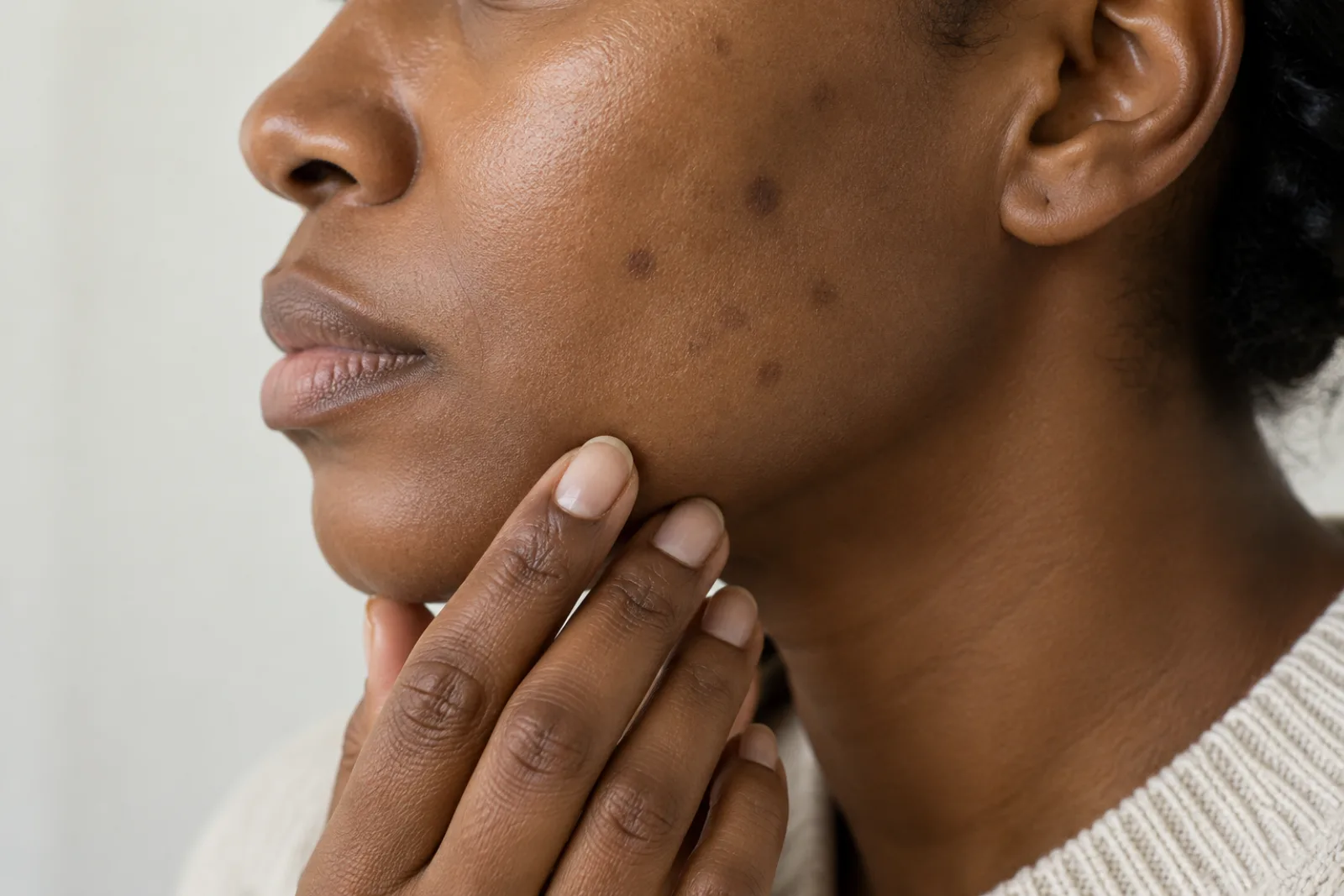
Can laser cause hyperpigmentation on dark skin?
It can, and melanin is the reason. Melanin is the pigment that gives your skin its colour. A laser sends light into the skin, and that light is meant to land on one specific target. Dark skin carries a lot of melanin in the epidermis, the top layer. DermNet, the dermatology reference run by New Zealand skin specialists, explains what follows: that melanin competes for the light, which raises the risk of side effects in the top layer.
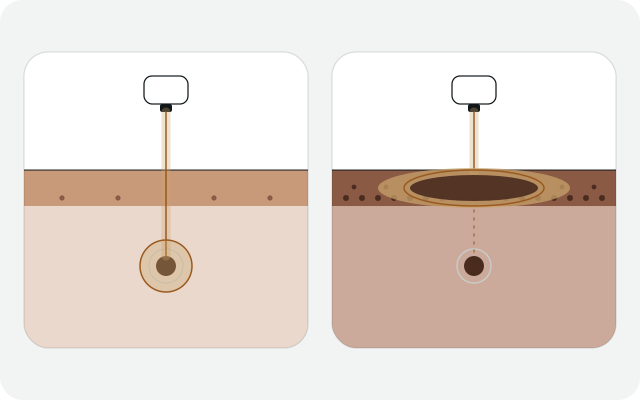 Light skinDark skinLight reaches the targetTop layer absorbs energy toonew dark spot possible
Schematic illustration · not a before-and-after or a treatment result
Then there is the way melanin-rich skin reacts to being hurt. DermNet says it almost always develops pigment changes after injury or inflammation. Most often the area turns darker. Doctors call this post-inflammatory hyperpigmentation, or PIH: a dark mark left behind once the inflammation has settled. Sometimes the area ends up lighter than the skin around it instead.
Dermatologist Andrew Alexis reviewed the evidence in the British Journal of Dermatology. Lasers and light devices carry a greater risk of pigment problems and scarring in dark skin, he writes, so the device and its settings have to be chosen with care. The same review says devices now exist that are used safely on dark skin. It also says studies in people of African ancestry are scarce. Specialists are talking here about types V and VI on the Fitzpatrick scale, which sorts skin tones from I (very fair) to VI (very dark).
[S1][S2][S3]Laser, chemical peel or microneedling: which is riskier for dark skin?
One uses heat, one uses acid, one uses needles. Underneath, all three do the same thing: they irritate the skin on purpose. On melanin-rich skin, that irritation can leave a mark. DermNet warns that treatments like these can make existing PIH worse because they injure the epidermis. How big the risk is depends on the procedure and on who carries it out.
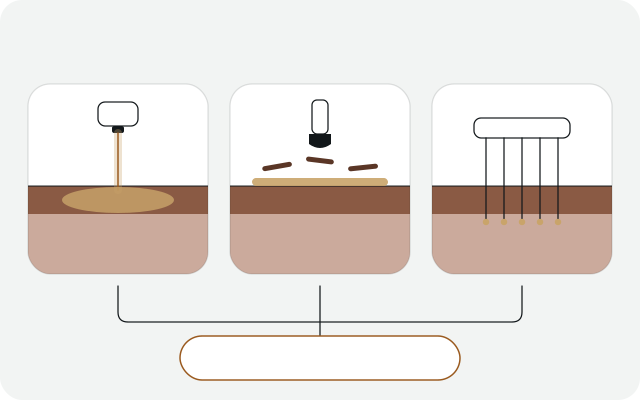 LaserPeelMicroneedlingHeatAcidNeedlesEach one is a controlled injury
Schematic illustration · not a before-and-after or a treatment result
Laser
On laser hair removal, the American Academy of Dermatology (AAD) says it is now an option for people with dark skin but has to be performed very carefully. Skin lightening or darkening is on its list of rare side effects. Colour tends to return to normal in time. Some changes are permanent.
For hair removal on skin of colour, DermNet names the long-pulsed Nd:YAG laser as the safest choice. For acne scars, it says ablative CO2 and Er:YAG lasers are best avoided in skin types V and VI, because the heat commonly leaves dark marks. Those are statements from the medical literature. Which device suits you is for the clinic to decide once someone has examined your skin.
[S6][S1]Chemical peels
In a chemical peel, the clinic applies an acid solution to your skin. Depending on strength, the AAD puts healing time anywhere from one day to two or three weeks. It considers peels suitable for skin of colour on one condition: see a dermatologist with expertise in using peels on darker skin tones. Without that expertise, the AAD says, permanent pigment problems can develop. Temporary darkening of the skin is listed as a possible side effect too.
Some people are given a skincare plan to follow for 2 to 4 weeks beforehand, which can improve results and reduce side effects. Your dermatologist will tell you if you need one.
[S4]Microneedling
Microneedling uses tiny needles to puncture the skin, which prompts it to make collagen. The AAD describes it as minimally invasive and safe for all skin tones. Right afterwards, darker skin tones may see darker shades on the treated area. Press too hard and you risk scarring or changes in colour and texture.
A review by Cohen and Elbuluk in the Journal of the American Academy of Dermatology concludes that microneedling may offer a better safety profile in skin of colour than dermabrasion, peels and laser. The AAD adds a caveat: the studies included few people with darker skin.
The AAD is wary of at-home devices. Overuse irritates the skin, and the needles can spread viruses such as warts or herpes across the skin. If you have ever had a keloid, a scar that grows beyond the original wound, the AAD advises against microneedling.
[S5][S9]What should you ask before laser or a peel on dark skin?
Who treats you matters a great deal. The AAD says so in plain words for peels, and for laser it recommends a board-certified dermatologist. If someone promises to treat you before giving you a consultation, the AAD's advice is to walk away.
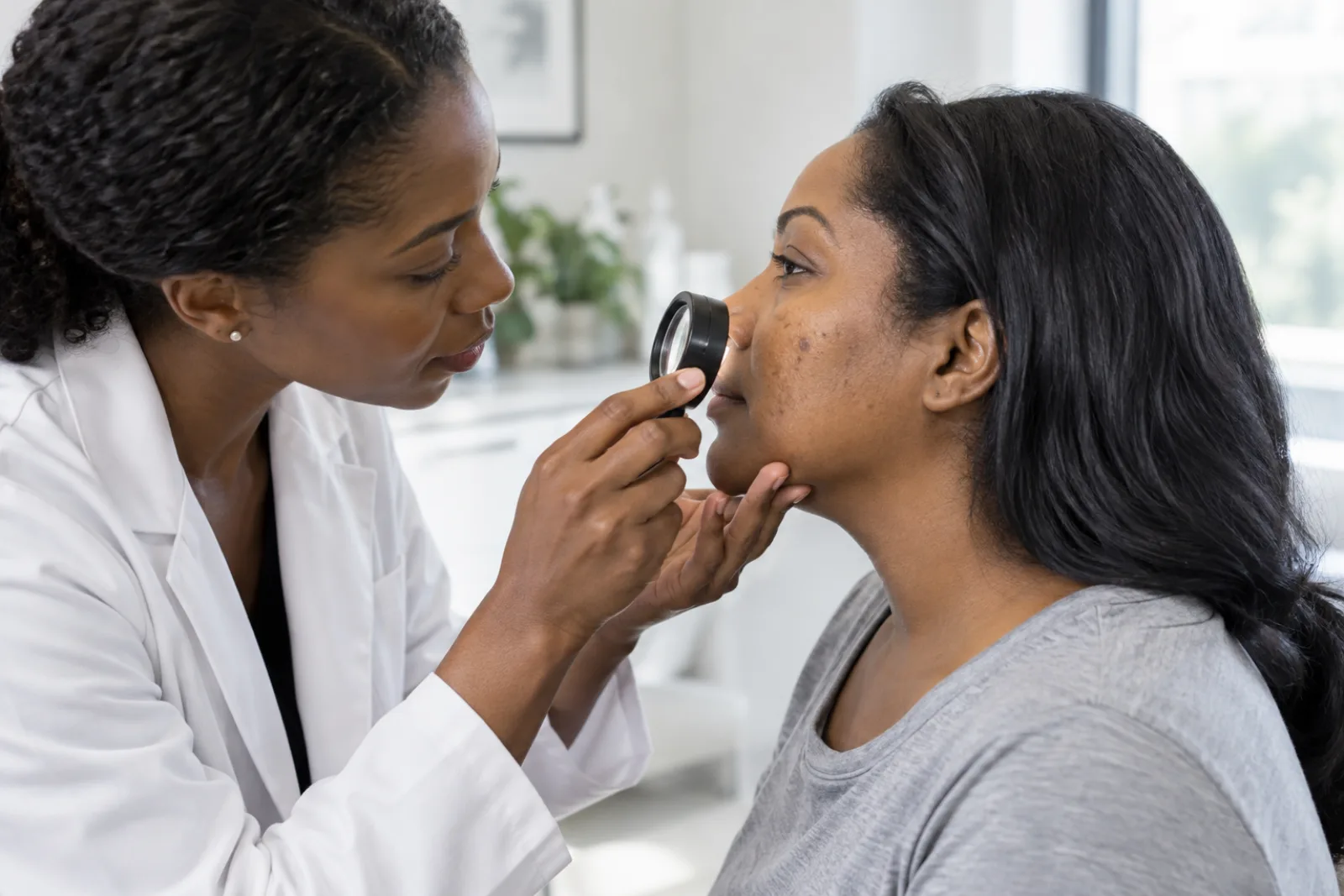
At the consultation, the clinic examines your skin before anyone decides on a device or a peel.
Illustration
Questions worth bringing to the consultation:
- How often do you treat skin in my tone, and which device or peel would you use?
- Will you test a small area first? DermNet describes test pulses that show how the skin reacts to the laser.
- How is my skin cooled during treatment? According to DermNet, cooling protects the epidermis from burns.
- What should I stop using beforehand? Before laser, the AAD lists a 2 to 4 week break from products with a retinoid or glycolic acid.
- Who do I contact if a dark patch shows up afterwards?
Turn up without a fresh tan. The AAD says a dermatologist cannot treat you with laser if you arrive tanned or sunburned, because the laser could then burn or discolour your skin. Before microneedling, it recommends protecting your skin from the sun for 2 to 4 weeks. For help choosing one, see sunscreen for hyperpigmentation on dark skin.
Acne scars are a common reason for booking laser. If you aren't sure you have scars at all, and not flat marks that fade by themselves, read acne marks or acne scars first.
[S4][S6][S8][S1][S5]How do you care for dark skin after laser, a peel or microneedling?
Your clinic's aftercare plan comes first. It overrides any general list, this one included. Here is what the AAD mentions for the days that follow:
- Keep it moisturised. After a peel, don't let the skin dry out. Skin that dries and cracks can scar.
- Hands off. No scratching, no rubbing, no picking at scabs.
- Wait with makeup. After microneedling the AAD says 24 hours. After a peel it depends on how strong the peel was.
- Stay out of the sun. After laser hair removal, keep direct sunlight off the treated skin and skip tanning beds. After a peel, daily sunscreen starts once the skin has healed.
For sunscreen, the AAD points people with darker skin tones to a tinted product with iron oxide and SPF 30 or higher. Iron oxide also blocks visible light, and visible light can trigger dark spots. We are working on a sunscreen of our own right now. If you are buying one today, choose a tinted one.
Drop anything that burns or stings. The AAD warns that irritating products can cause new dark spots all by themselves. Our advice from the lab: pause acids, retinol and vitamin C serums too, until your clinic clears them again.
[S4][S5][S6][S7]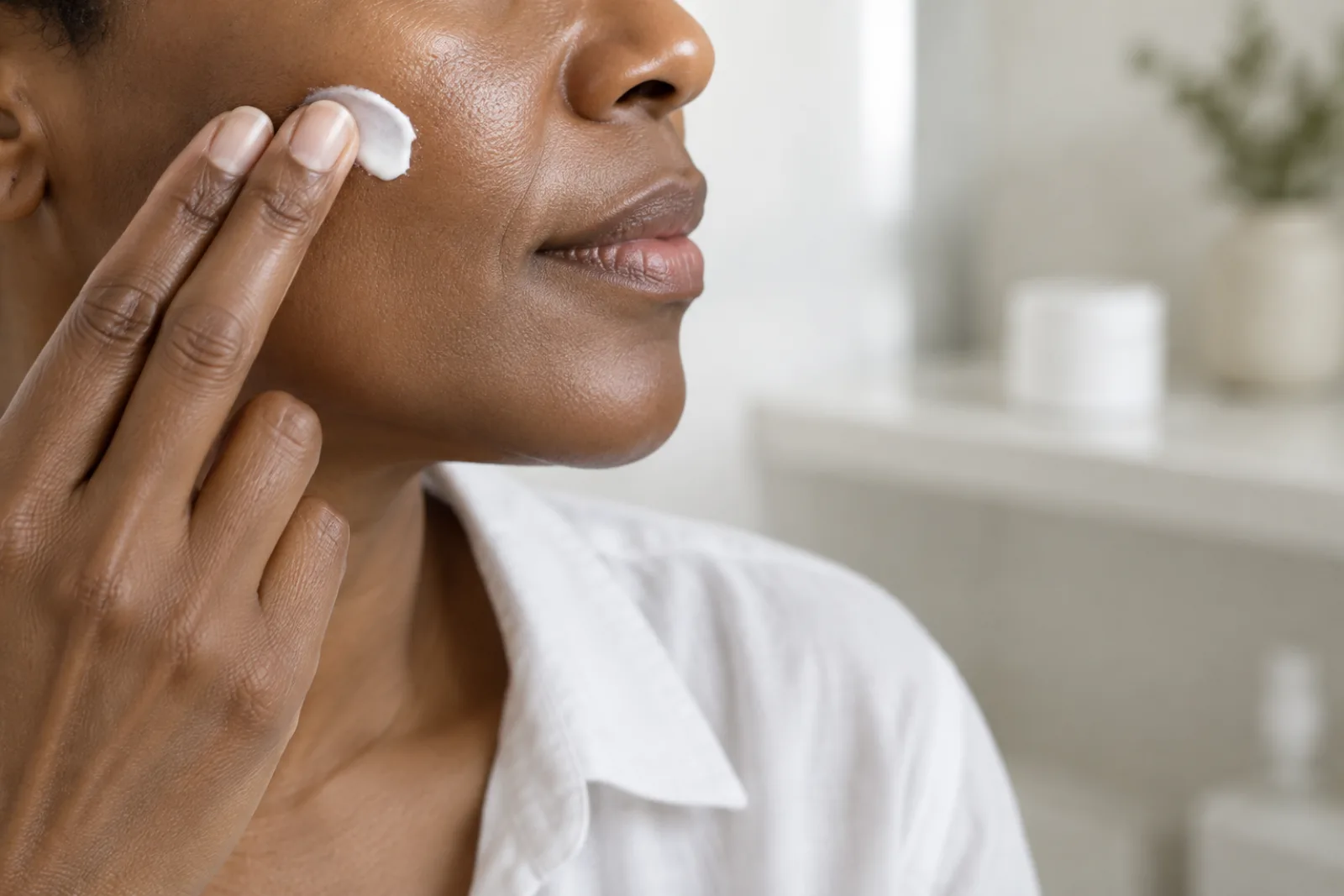
Dab it on gently, don't rub. Your clinic's aftercare plan says which cream is allowed and from when.
Illustration · not a before-and-after or a treatment result
Hyperpigmentation after laser, a chemical peel or microneedling: what now?
Go back to the clinic that treated you. They know the device and the settings, and they can tell you if this is PIH or something else. If your skin burns, itches or swells, call them straight away.
Writing about laser hair removal, the AAD says skin colour tends to return to normal in time, though some changes are permanent. For dark spots in general it offers a rough guide: a spot a few shades darker than your natural skin colour will usually fade within 6 to 12 months. When the colour sits deeper and looks slate blue to grey, it can take years.
A guide from the AAD for dark spots in general, not a promise. Deeper, slate-grey discolouration can take years.
On darker skin, DermNet notes, PIH tends to be more intense and to last longer than on lighter skin. Sunlight makes the patches darker, which is why DermNet recommends a broad-spectrum SPF 50+ sunscreen every day.
What to leave alone now: at-home peels, the dermaroller, bleaching creams bought abroad. Every new irritation can mean another mark. The AAD reports that researchers have found steroids or mercury in imported creams, with neither listed on the label.
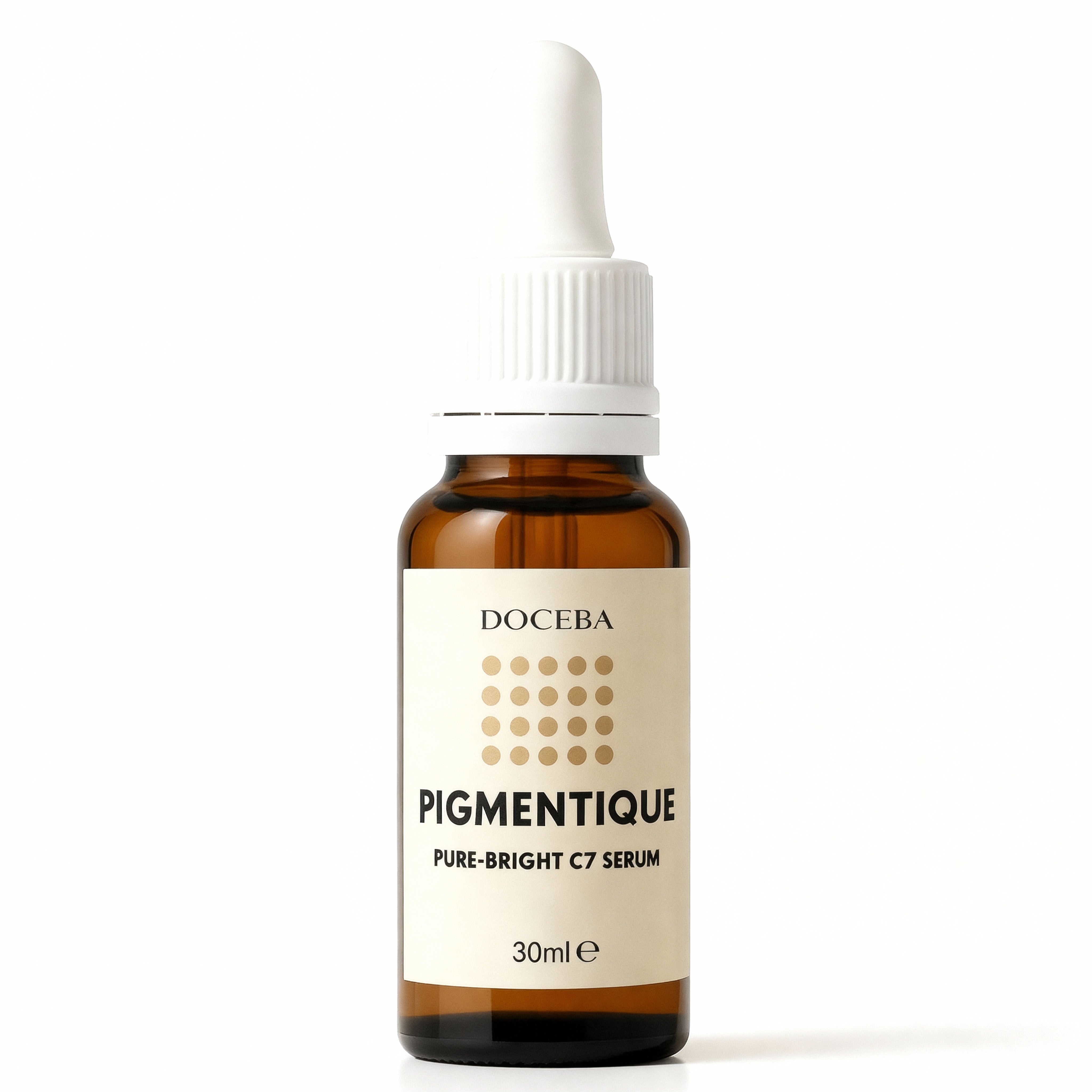
For PIH, dermatologists use ingredients such as hydroquinone, azelaic acid or tretinoin. We don't make a product with any of them. What we do make in our lab are vitamin C serums, and vitamin C is on DermNet's list of PIH treatments as well. Our Pure Bright C7 Serum only comes into play once your skin has healed and your clinic has cleared active skincare again. For how long marks take in general, read does hyperpigmentation go away by itself?
[S3][S4][S6][S7]From the lab: routine first, appointment second
Laser and peels often come up when marks stay put despite good skincare. Before you book, take an honest look at your daily habits. Does sunscreen go on every morning? Is something in your routine irritating your skin? A calm routine is also what treated skin will need later. We explain the order of steps in our skincare routine for hyperpigmentation and the basics in hyperpigmentation on dark skin.
A shelf product stays the same in every phase. Your skin doesn't. Because Anita formulates in our own lab in Bielefeld, we can adjust a product when your skin needs something different. That is what Skin Protocol is for.
Your next step
Both routes are fine. Pick the one that fits you today.
- Before you book: have a consultation, ask about experience with your skin tone and about a test on a small area.
- Afterwards: follow the clinic's aftercare plan, moisturise, wear tinted sunscreen, don't pick.
- Take a photo once a month in the same light. If a new patch appears or your skin burns, contact the clinic.
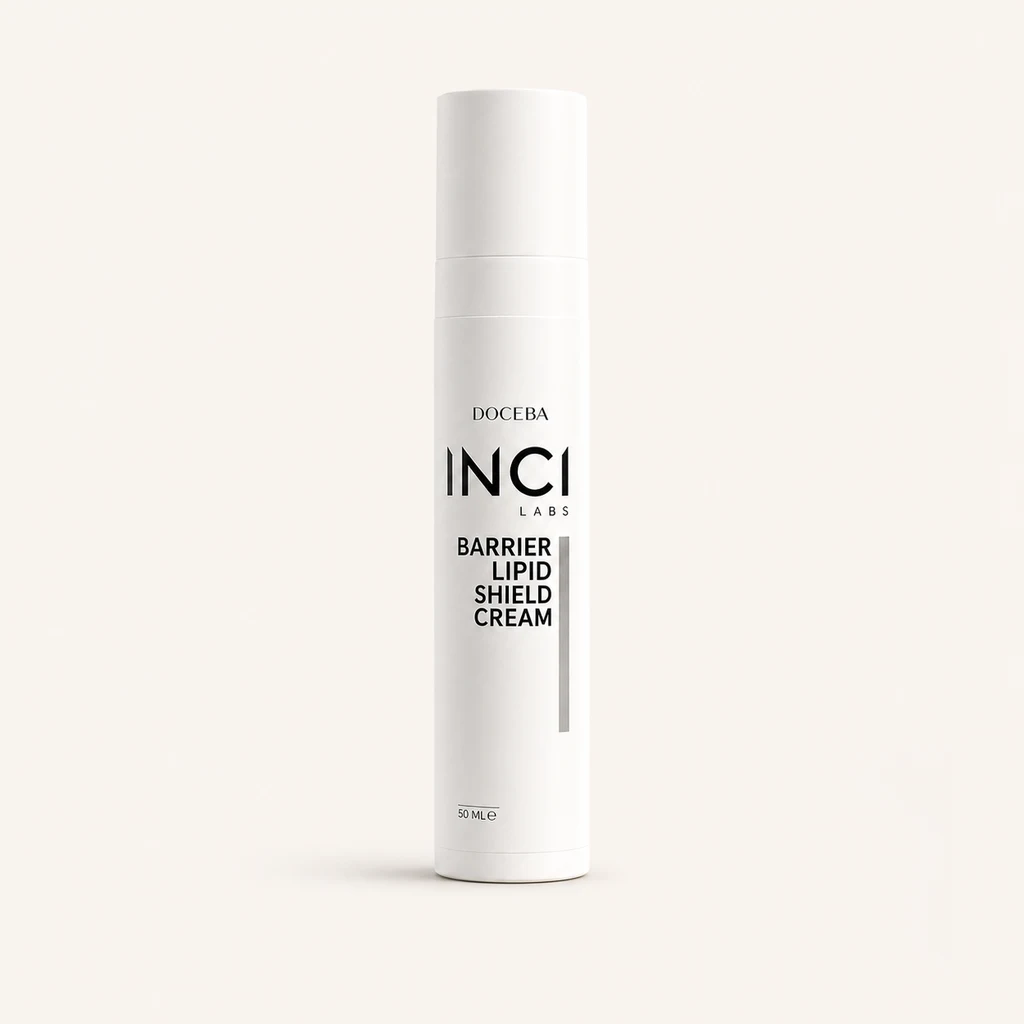
Matching products from our lab:

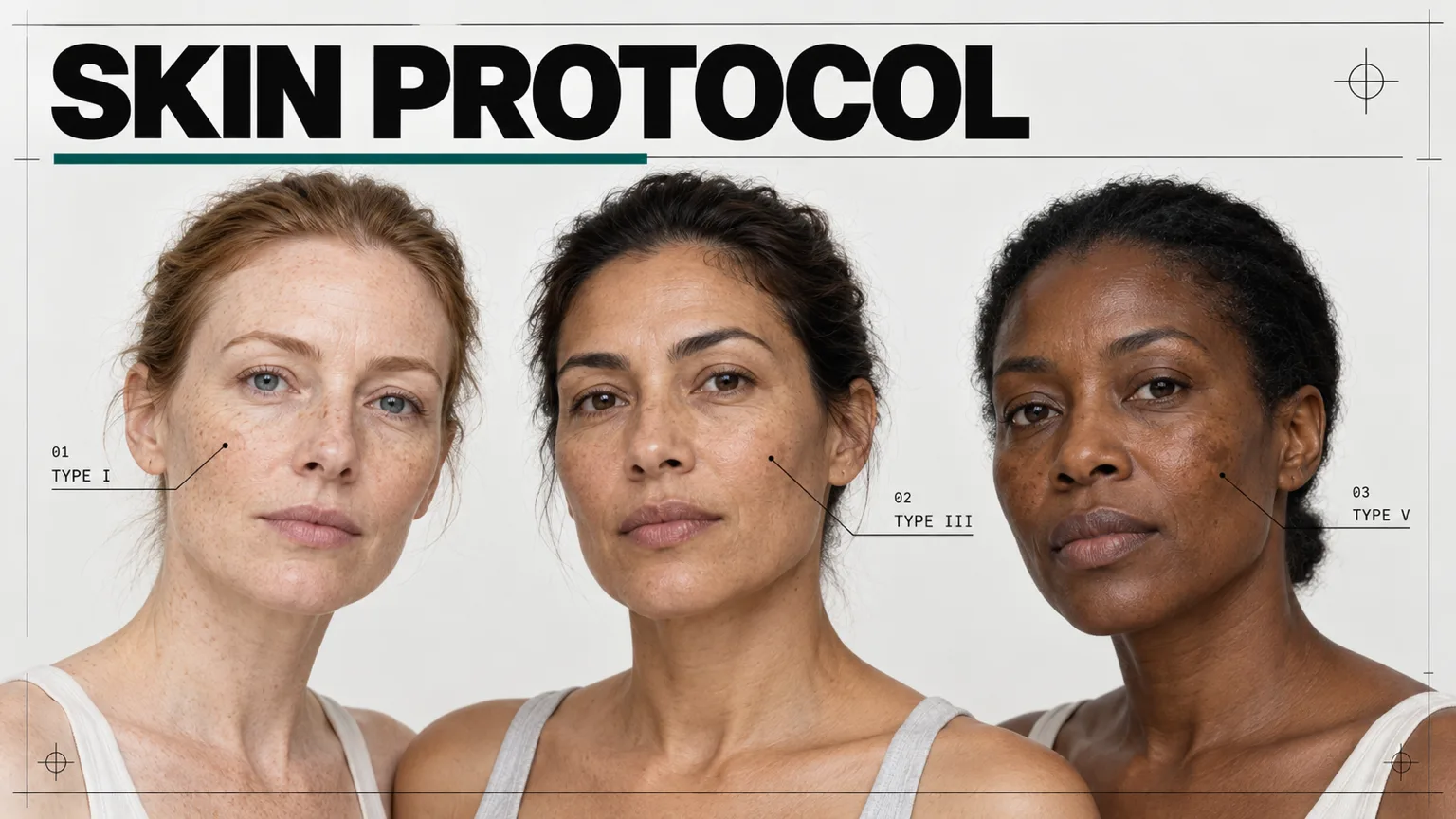
Skin Protocol: a plan for your skin and a team that adjusts it
You get a plan built around your skin and what you've already tried. We check in regularly and adjust products from Anita's lab when your skin needs something different. In English or German.
It starts with a free 20-minute call. We ring you and listen to your skin story, including marks left by a treatment.
Book your free skin callCosmetic advice, not a diagnosis. If you think you have a skin condition, see a doctor first.
Questions you might still have
Is laser treatment safe for dark skin?
It can be, with more caution than on light skin. Lasers carry a higher risk of pigment problems and scarring on dark skin, and there are devices considered safe for it. DermNet says lasers may help pigment in the epidermis but not pigment that sits deeper. A clinic experienced with dark skin should choose the device. [S2][S3]
Why did I get hyperpigmentation after laser?
Melanin in the top layer of your skin absorbs part of the laser energy. That creates heat, and melanin-rich skin almost always answers injury or inflammation with a pigment change. The dark mark that follows is called post-inflammatory hyperpigmentation (PIH). [S1][S3]
Can a chemical peel cause hyperpigmentation on dark skin?
Yes. The AAD lists temporary darkening as a possible side effect and says people with skin of colour can develop permanent pigment problems if the dermatologist lacks expertise with darker skin tones. With that expertise, the AAD considers peels an option. If you already have marks, we would steer clear of DIY acid peels. [S4]
Is hyperpigmentation after laser hair removal permanent?
Usually not. The AAD says skin colour tends to return to normal in time, but some changes are permanent. It also notes that rare side effects mainly occur when treatment isn't done by a dermatologist or under one's direct supervision. [S6]
Is microneedling safe for dark skin?
The AAD calls it safe for all skin tones when done properly. Darker skin may look darker on the treated area right afterwards. Poorly performed treatment can leave long-lasting discolouration, so see a medical doctor with skin expertise, and skip it if you've had a keloid. [S5]
How long does hyperpigmentation after laser last?
It varies. In an Ethiopian tattoo-removal study cited by DermNet, mild hyperpigmentation lasted 2 to 4 months. For dark spots in general, the AAD says a spot a few shades darker than your skin usually fades within 6 to 12 months, and deeper discolouration can take years. [S1][S7]
Sources
- [S1] DermNet: Laser therapy in skin of colour ↗
- [S2] Alexis AF: Lasers and light-based therapies in ethnic skin: treatment options and recommendations for Fitzpatrick skin types V and VI. Br J Dermatol 2013;169 Suppl 3:91–97 ↗
- [S3] DermNet: Postinflammatory hyperpigmentation ↗
- [S4] AAD: Chemical peels: FAQs ↗
- [S5] AAD: Microneedling can fade scars, uneven skin tone, and more ↗
- [S6] AAD: Laser hair removal: FAQs ↗
- [S7] AAD: How to fade dark spots in darker skin tones ↗
- [S8] AAD: 10 things to know before having laser treatment for your scar ↗
- [S9] Cohen BE, Elbuluk N: Microneedling in skin of color: A review of uses and efficacy. J Am Acad Dermatol 2016;74(2):348–355 ↗
- [P1] DOCEBA: Barrier Lipid Shield Cream ↗
- [P2] DOCEBA: Pigmentique Pure Bright C7 Serum ↗
- [P3] DOCEBA: Pure Brightening Set ↗
General skincare information, not a diagnosis or an individual treatment plan.
Your bag
Review your items before continuing.
Your bag is empty.