

Where do dark spots on the buttocks come from?
Usually an irritation that has already passed. The skin was inflamed, often so mildly that you hardly noticed. Inflammation tells pigment cells to make more melanin, the colour in your skin. The spot is the pigment that stays behind. Doctors call it post-inflammatory hyperpigmentation, or PIH.
On dark skin this happens faster and stronger. DermNet says PIH is more common in darker skin types, with deeper colour that lasts longer. It is not a sign of poor care and nothing to be ashamed of. Your skin answers irritation with colour, and the buttocks have three typical triggers: sitting and friction, inflamed hair follicles and shaving. The next sections take them in turn.
Worth knowing: more than one trigger usually works together. Someone who sits a lot often wears tight clothes and may shave as well. Then it helps to defuse every irritant one after another, instead of changing a single part of your routine.
[S1]Can long sitting make the skin on your buttocks darker?
It is plausible, but we found no study that looked at this area directly. The principle is well described elsewhere: for elbows and knees, dermatologists link the darkening to friction and pressure. The skin thickens there and looks darker, which doctors call FADES. More in our article Dark knees and elbows.
Sitting applies the same mix of pressure and friction. Add fabric that scuffs the skin and heat under tight clothes. If you spend many hours a day on an office chair, in a car or on a bike saddle, the same spots take the load every time. Tight synthetic sports leggings rub along with every movement.
What you can change is unspectacular, and it works: stand up between stretches, use a soft seat cushion, wear loose trousers in breathable fabric and change out of sweaty clothes soon after sport. For elbows and knees, the Cutis authors say even the best cream will not hold without this step. We apply the same principle here, even though it was not tested for this area.
[S3]
- 01Saddle: pressure on the same spot
Illustration · not a picture of the skin area
What is folliculitis, and does it leave dark spots?
Folliculitis means inflamed hair follicles. DermNet describes it as usually a tender red spot, often with a small pustule, and it can show up on any hairy area, including the buttocks. Causes vary. Germs such as bacteria or fungi are one, irritation from regrowing hair after shaving, waxing or plucking is another. According to DermNet, pustules after hair removal are sterile, so they are not contagious.
Each of these bumps is a small inflammation, and each inflammation can leave a mark on dark skin. That is why spots often sit in clusters exactly where the bumps were. Picking or squeezing irritates the skin again and makes the spot more likely to darken. Leave them alone.
You can read how marks form on other parts of the body in our articles Dark spots on legs and Dark spots on the back. The logic is the same.
[S1][S4]How can you shave without risking new irritation?
If you shave or otherwise remove hair there, technique matters. The AAD advises wetting skin and hair first and using a shaving gel or cream. Shave in the direction the hair grows, rinse the blade after every stroke and swap it after five to seven shaves. Let the razor dry fully between uses.
If the skin is already irritated, a break helps. For shaving rash, DermNet advises stopping hair removal and waiting about three months after it settles. After that it suggests a gentle method such as an electric razor, or with a blade plenty of shaving gel and no soap. Whether you remove hair at all is your call. For the skin, any hair removal is an irritant.
[S4][S5]How long do dark spots on the buttocks take to fade?
Count in months. The AAD gives 6 to 12 months as a guide for spots a few shades darker than your skin, once the cause is stopped. If the pigment sits deeper, it can take years. Order matters: stop the trigger first, then calm the skin, then add an active ingredient.
Calming often needs only care. For dark skin the AAD recommends fragrance-free creams and ointments, which work better than lotions, applied right after washing. Once the area is calm, you can add a vitamin C step. The AAD lists vitamin C among the ingredients that can fade existing spots.
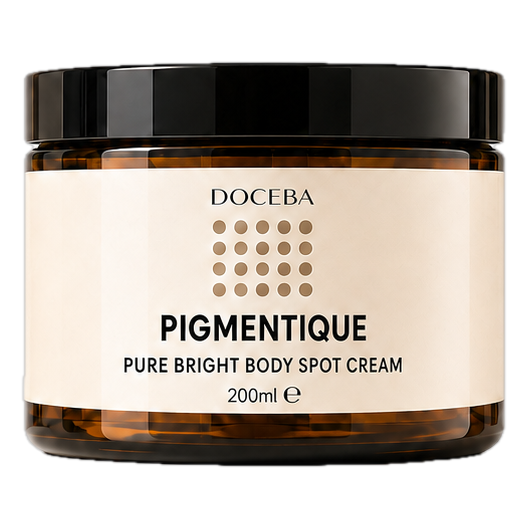
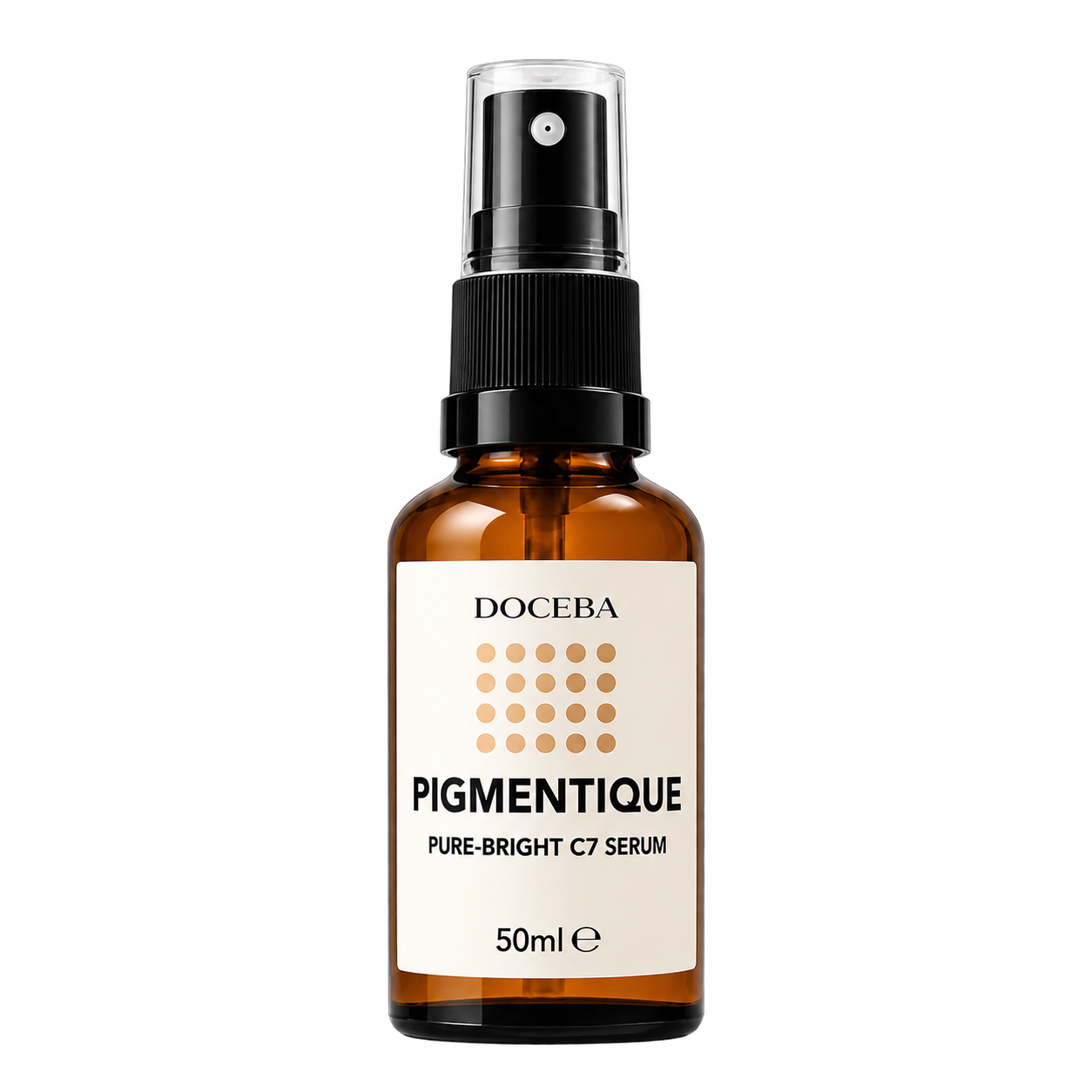
To be straight with you: we do not carry azelaic acid, retinol, tranexamic acid or hydroquinone. Our body products rely on vitamin C. Test every new product on a small area first and introduce only one at a time. If it burns or stings, stop, because irritation can darken spots. Take a photo every four weeks in the same light, so you see progress that the mirror hides.
[S1][S2][S6]When should a doctor look at the spots?
A spot on its own is rarely a reason to worry. See a dermatologist if the follicles keep getting inflamed, if areas hurt, weep or fill with pus, if a spot changes or if you are unsure what it is. DermNet notes that folliculitis sometimes needs swabs or a skin biopsy to find the cause. Only a practice can decide that.
We give cosmetic information, not a diagnosis. If a spot follows a clear trigger and slowly lightens, that fits the kind of pigment problem described here. If the skin keeps flaring up, the inflammation is the issue, not the spot.
[S4]How do you want to continue?
You can tackle the cause yourself or get a plan.
- Stop the trigger: stand up between stretches, wear loose clothes, use gentle hair removal, leave bumps alone.
- Fragrance-free cream after washing until the skin is calm.
- Then patch-test one product for the spot, only one at a time, and take a photo every four weeks.
Matching products from our lab:
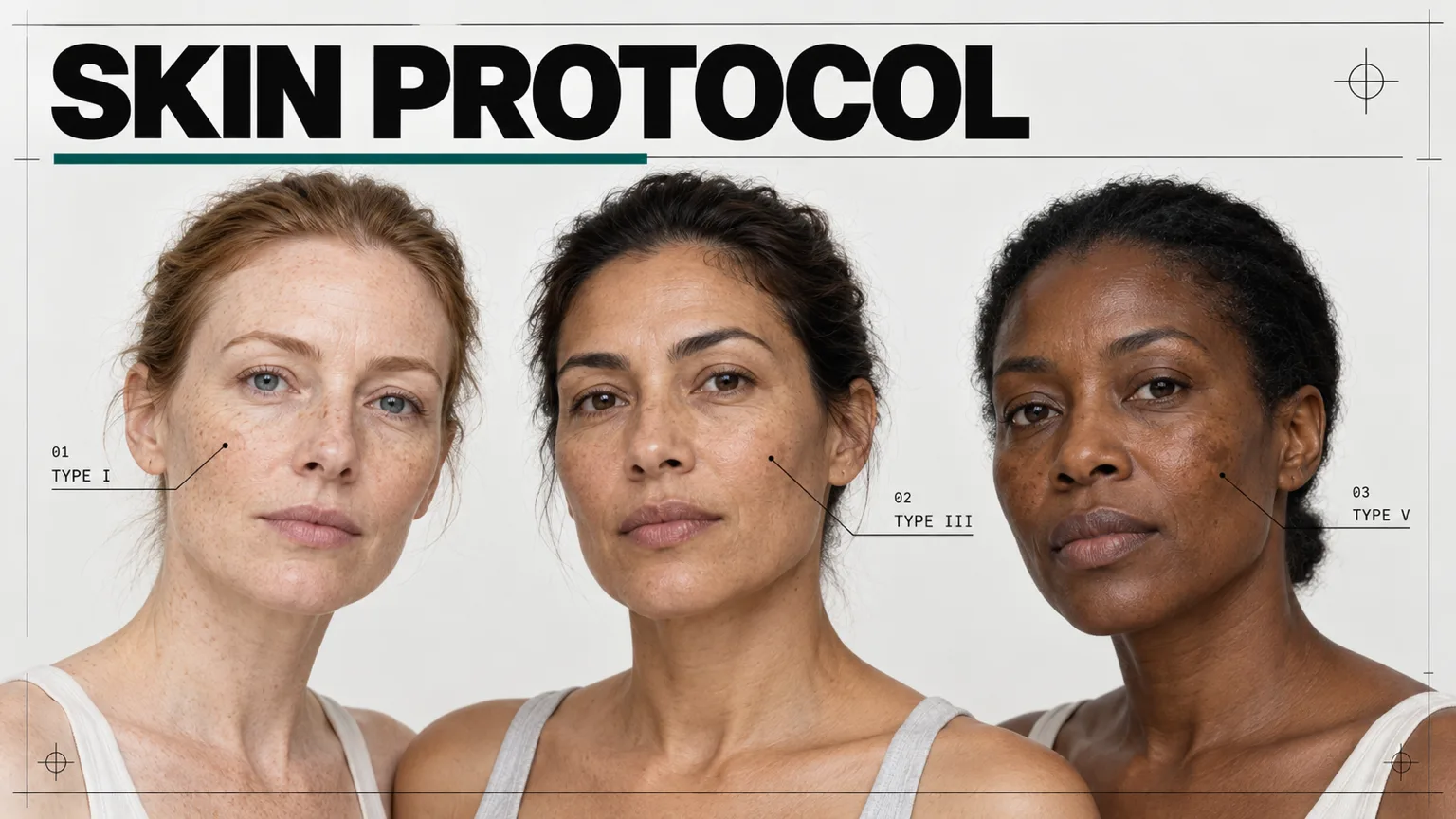
Skin Protocol: a plan for your skin and a team that adjusts it
You get a plan built around your skin and what you've already tried. We check in regularly and adjust products from Anita's lab when your skin needs something different. In English or German.
It starts with a free 20-minute call. We ring you and listen to your skin story, including your routine for dark spots.
Book your free skin callCosmetic advice, not a diagnosis. If you think you have a skin condition, see a doctor first.
Questions you might still have
Are dark spots on the buttocks dangerous?
Usually not. It is typically colour that stays in the skin after irritation or inflammation. Have them checked if they change, hurt, weep or if the follicles keep getting inflamed. We do not diagnose. [S1][S4]
Why do I get pigment spots on my buttocks and not elsewhere?
Pressure, friction, heat and often hair removal meet there. Each of these can inflame the skin slightly, and dark skin tends to answer with colour. According to DermNet, PIH is more common and lasts longer on darker skin. [S1]
Does sitting less help?
It can help by spreading the pressure. For elbows and knees the Cutis authors name avoiding friction and pressure as a key step besides cream. This was not tested for the buttocks, but the logic is the same. [S3]
How long until the spots get lighter?
For spots a few shades darker than your skin, the AAD says usually 6 to 12 months once the cause is stopped. If the pigment sits deep, it can take years. [S2]
Sources
- [S1] DermNet: Postinflammatory hyperpigmentation ↗
- [S2] AAD: How to fade dark spots in darker skin tones ↗
- [S3] Krishnamurthy S, Sigdel S, Brodell RT: Frictional asymptomatic darkening of the extensor surfaces. Cutis 2005;75(6):349-355 ↗
- [S4] DermNet: Folliculitis ↗
- [S5] AAD: How to shave ↗
- [S6] AAD: Dry skin remedies for darker skin tones ↗
- [P1] DOCEBA: Pure Bright Body Spot Cream ↗
- [P2] DOCEBA: Pure Bright C7 Body Serum ↗
General skincare information, not a diagnosis or an individual treatment plan.
Your bag
Review your items before continuing.
Your bag is empty.