Why dark spots stick on legs and the bikini line
PIH is a flat darker patch exactly where something inflamed the skin before. On legs, the usual triggers are:
- razor bumps and close shaves
- ingrown hairs after shaving, waxing or plucking
- friction from clothing or between thighs
- picking or digging at a bump
- a product that stings (harsh deodorant-style "brightening" creams, strong peels)
The bikini line gets the same story, often with tighter clothing and more friction. Search phrases like "dark spots on bikini line" and "ingrown hair dark spots" point to the same mechanism: inflammation, then pigment.
Other causes of dark patches on legs exist (for example some medical skin changes). If a patch appeared with no bump, rash or injury, is spreading, or comes with other symptoms, see a doctor. Do not self-diagnose.
[S2][S1]Ingrown hairs, razor bumps, and dark marks from shaving
Ingrown hairs happen when a hair curves back into the skin or grows under it. The NHS notes they can leave a dark mark after the spot settles. Razor bumps (pseudofolliculitis) are especially common in people with darker skin tones and coarse, curly hair.
Dermatologists' home advice for fewer razor bumps includes: stop shaving if you can (or grow the hair out), never dry shave, use a moisturising shave cream, use a sharp razor, shave slowly with the direction of growth, and avoid going over the same spot many times. Do not pluck or dig into a bump.
Chemical removers can irritate and, on darker skin, may leave lasting colour change. Patch-test anything new.
Once the bump has calmed, the leftover flat brown mark is usually PIH. Fading products only make sense after you have slowed new bumps. Otherwise you are bleaching a timeline that keeps resetting.
[S5][S3][S4]- close shave
- ingrown
- dig/pick
- new mark
- stronger cream
- more sting
- new mark
- gentler hair removal
- calm skin
- sunscreen
- one body fade step
What makes dark spots on legs worse
- Close shaves that scrape the same strip again and again
- Plucking or digging out ingrowns
- Rough scrubs and at-home peels on already angry skin
- Skipping sunscreen on bare legs outdoors
- Product-hopping every week so the skin never settles
- Bleaching products aimed at lightening your natural tone rather than fading a mark
"Natural" lemon juice or undiluted acids that burn still count as irritation.
[S3][S4][S1]What helps, step by step
1. Change the hair-removal habit first
Fewer new bumps means fewer new marks. Options that often help: leave more length with a clipper, shave less often or with better technique, or pause shaving on the worst area for a few weeks if your life allows it. Soften hair with warm water and use plenty of glide.
[S3][S5]2. Calm the skin
If a bump is hot, tender or open, skip fading actives. Gentle cleanse, moisturise, hands off. Fragrance-free moisturisers are less likely to irritate.
[S1]3. Sun protection on exposed legs
Sun deepens PIH, including visible light. On shorts weather, use a broad-spectrum sunscreen of at least SPF 30 on the marks. Reapply outdoors. Clothing helps when you can wear it.
[S1]4. Then one fading step for the body
Once bumps are rarer and the skin is calm, a product that fades the look of dark spots can help. The AAD lists non-prescription options that include azelaic acid, glycolic acid, kojic acid and retinoids. Vitamin C is on that list too. How well a finished product works depends on the whole formula. For vitamin C on melanin-rich skin, see our vitamin C guide.
Face serums are not sized for legs. Use a body formula and patch-test first.
Expect months, not days. A mark a few shades darker than your skin often fades within 6 to 12 months once the trigger has stopped. Deeper colour can take longer.
[S1][S6]From our lab, and from Anita's own skin
Anita, who founded DOCEBA, has melanin-rich skin and has struggled with it since she was a teenager. She tried a lot and spent thousands on skincare, much of it from abroad. None of it helped. She later trained as a cosmetic product developer. More than 100 formulas for other brands carry her signature. She develops and produces DOCEBA's products in our GMP-certified lab in Bielefeld (ISO 22716). She documented her own skin herself: front, left and right, unedited.
Body skin is thicker and sees more friction than the face. A body serum has to spread, sit under clothes, and stay comfortable on larger areas. That is why we make a dedicated body formula rather than telling you to empty a face bottle onto your legs.
Your next step
- Soften your hair-removal routine for two to four weeks and stop digging at bumps.
- Moisturise; add sunscreen when legs are bare outdoors.
- After the area is calmer, patch-test one body fading product and review progress monthly with the same photo setup.
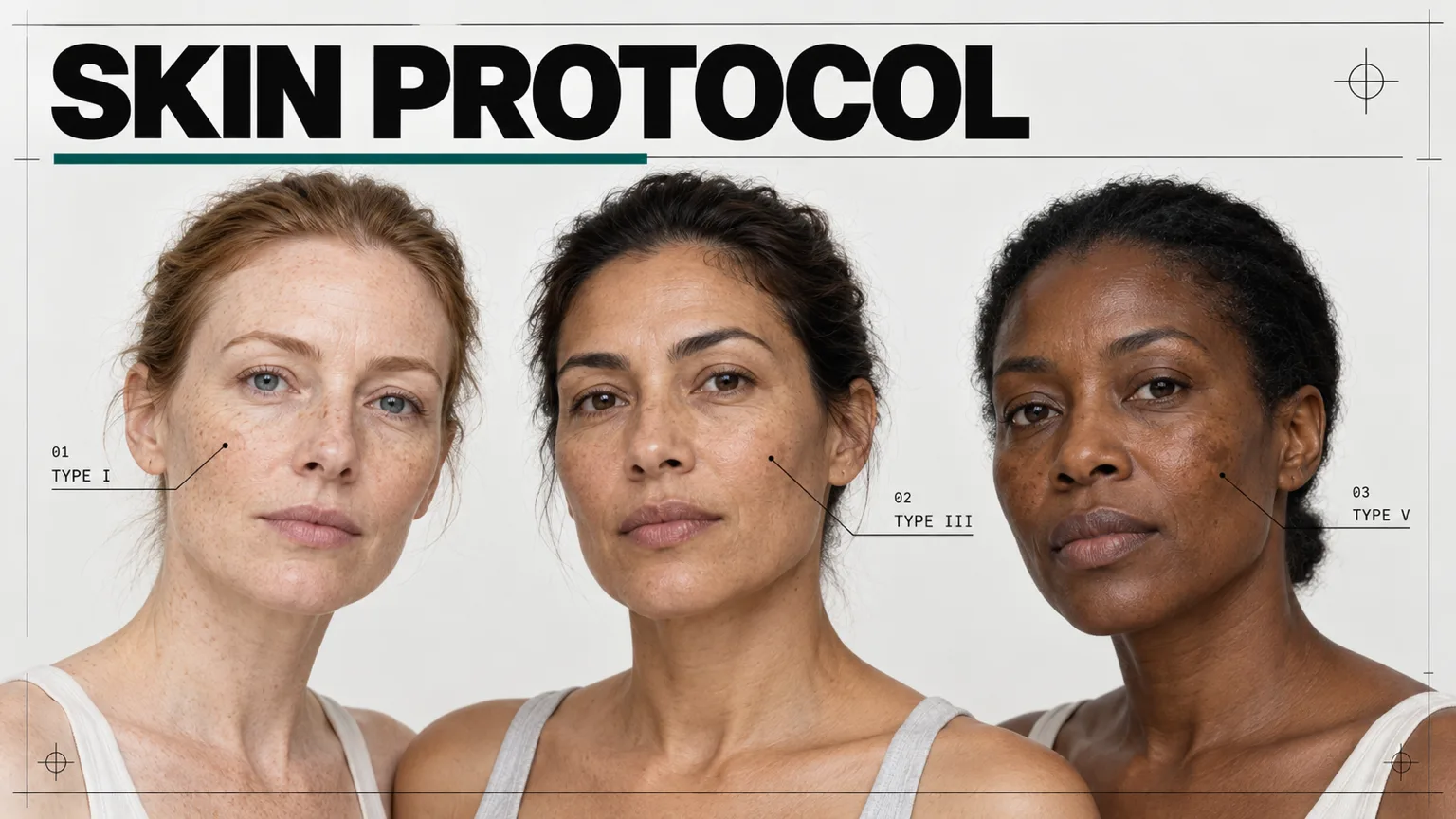
Skin Protocol: a plan for your skin, and a team that adjusts it
You get a plan built around your skin and what you have already tried. We check in regularly and adjust your products, made in Anita's lab, when your skin needs something different. In English or German.
It starts with a free 20-minute call. We call you and listen to your skin story, including body marks from shaving or ingrowns.
Book your free skin callCosmetic guidance, no diagnosis. If a skin condition is suspected, a doctor comes first.
Questions you might still have
How do I get rid of dark spots on legs?
Slow new irritation first (gentler hair removal, no digging), protect from sun, then use one fading product on calm skin. Time does a lot of the work once the trigger stops. [S1][S5]
Do ingrown hairs leave dark spots?
They can. After the bump settles, a flat darker mark (PIH) is common, especially on melanin-rich skin. [S2][S5]
Are bikini-line dark spots the same thing?
Often yes: friction plus shaving or waxing leads to inflammation, then pigment. Same order of care. [S1]
Will a body brightening cream lighten my whole leg?
It should aim to fade the look of the mark, not change your natural skin tone. Avoid bleaching products with unclear ingredient lists. [S1]
Sources
- [S1] AAD: How to fade dark spots in darker skin tones ↗
- [S2] DermNet: Postinflammatory hyperpigmentation ↗
- [S3] AAD: Razor bump remedies for men with darker skin tones ↗
- [S4] Beyond the Razor: Managing PFB in Skin of Color, PMC12360796 ↗
- [S5] NHS: Ingrown hairs ↗
- [S6] AAD: How to test skin care products ↗
- [S7] DermNet: Acanthosis nigricans ↗
- [P1] DOCEBA: Barrier Lipid Shield Cream ↗
- [P2] DOCEBA: Pure Bright C7 Body Serum ↗
General skin-care information, not a diagnosis or a personalised treatment plan.
Your bag
Review your items before continuing.
Your bag is empty.